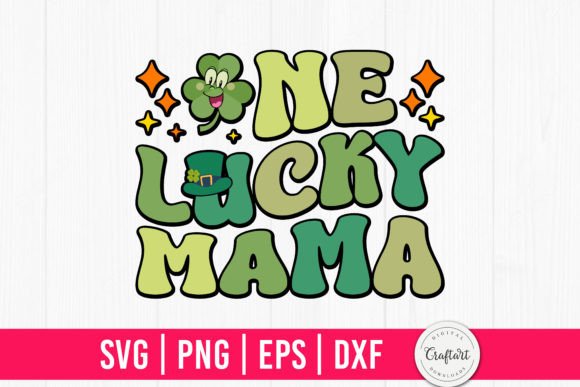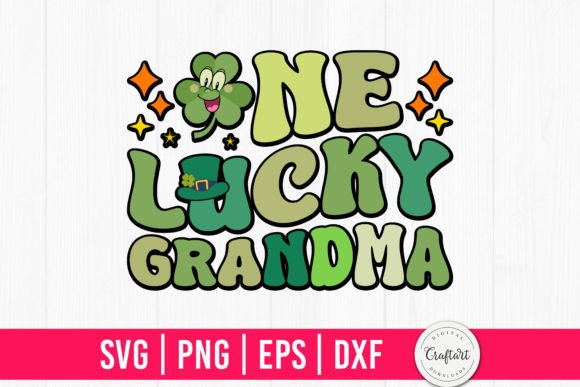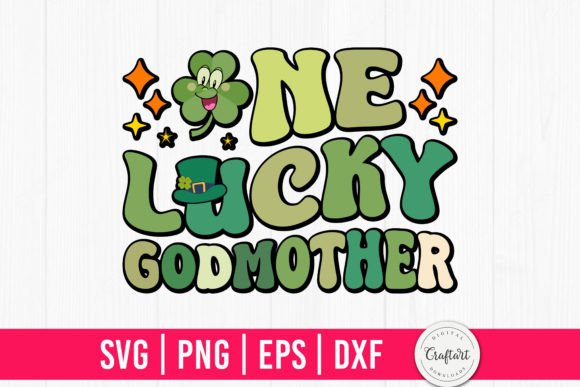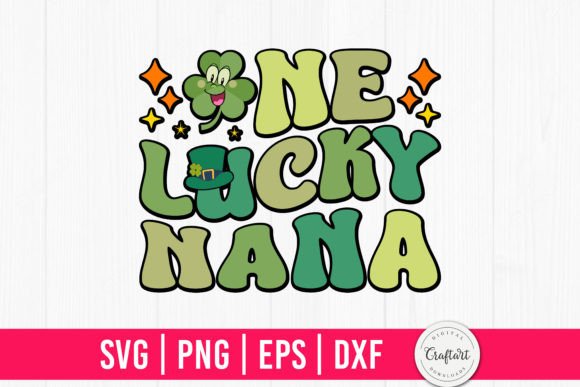
One Lucky Mimi Embroidery Review
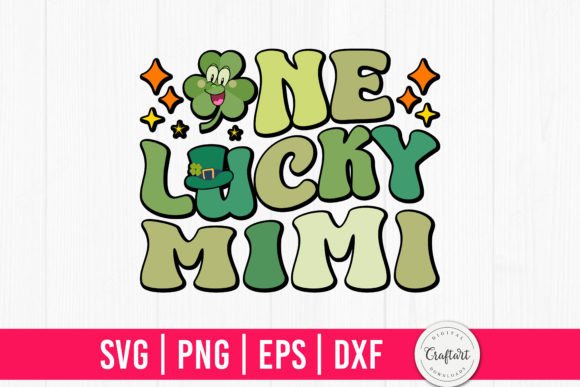
When I first pulled up the One Lucky Mimi design file, my immediate reaction was a mix of nostalgia and practical assessment. As a designer who spends hours scrutinizing stitch paths and visual balance for client work, I don’t just look at what a design is; I look at how it will behave under the needle. This particular machine embroidery design carries a distinct retro vibe that feels timely yet timeless, making it an intriguing candidate for both personal projects and commercial merchandise.
The core appeal of One Lucky Mimi lies in its thematic clarity. It isn’t trying to be everything to everyone. Instead, it leans heavily into a specific aesthetic—likely playful, perhaps slightly vintage or lucky-themed—that resonates well with current trends in handmade goods. For those of us in the craft business, knowing exactly where a design fits in the market is half the battle won. This design screams "giftability." It has that warm, approachable personality that makes a customer stop scrolling on Etsy or pause at a craft fair booth.
First Impressions and Visual Personality
Visually, One Lucky Mimi strikes a balance between bold statement and delicate detail. The layout suggests a central focal point, which is crucial for embroidery files that need to hold their own on various garments. In my experience, designs that are too scattered often get lost in the texture of the fabric, while overly dense blocks can feel heavy and stiff.
The mood here is undeniably cheerful. Whether intended as a tote bag design or a cute addition to a baby’s wardrobe, the character or motif (depending on the specific interpretation of the art) exudes confidence. It feels like a design that belongs in a boutique setting rather than a mass-produced big-box store item. For the Etsy seller or small shop product creator, this distinction is vital. Buyers are looking for that unique, curated feel, and One Lucky Mimi delivers on that front right out of the box.
Real-World Application: From Screen to Stitch
Let’s talk about putting this into practice. Imagine you are preparing a custom order for a client who wants a personalized gift for a new mother. One Lucky Mimi could easily translate to a soft baby onesie or a nursery wall hanging. The retro charm adds a layer of sophistication that elevates it beyond a standard clipart application. It transforms a simple handmade product into a keepsake.
However, the versatility doesn’t stop there. I also see this working exceptionally well for custom apparel like hoodies or sweatshirts. A sweatshirt embroidery featuring this design would likely perform well during holiday seasons or as a graduation gift. The theme of "luck" or whimsy pairs naturally with celebratory moments. Furthermore, for those creating digital assets, this design serves as excellent material for printable mockups. You can visualize how it looks on different backgrounds before committing to thread, helping you sell the vision to clients who aren't familiar with stitch density or fabric limitations.
Ideal Use Cases for Small Business Owners
- Personalized Gifts: The design’s friendly nature makes it perfect for birthdays, baby showers, or "just because" gifts.
- Boutique Branding: If you run a small brand focused on positive vibes or retro aesthetics, this aligns perfectly with your identity.
- Holiday Embroidery: Depending on the specific elements (like clovers or stars), it may fit seasonal themes effectively.
- Kitchen & Home Decor: A tea towel or pillow cover featuring One Lucky Mimi adds a pop of color and personality to any home.
Technical Considerations and Potential Pitfalls
No design is without its challenges, and being honest about them is part of being a professional reviewer. While One Lucky Mimi is visually striking, there are specific scenarios where you need to exercise caution.
First, consider the hoop size. If the design contains intricate details that rely on fine lines, ensure your machine’s hoop is large enough to accommodate the full scope without requiring re-hooping, which can misalign the stitching. Conversely, if you are attempting to digitize or resize this for a smaller area, such as a cap brim or a tiny pocket, you may lose the integrity of the image. Tiny lettering or delicate corners can become muddy if the stitch density is not optimized.
Fabric choice is equally critical. This design likely relies on contrast to shine. On dark fabrics, you will need a solid underlay and potentially multiple passes of thread colors to ensure brightness. On textured fabrics, like chunky knits or raw denim, the definition might blur. I strongly advise testing on scrap fabric first. If you plan to use this on stretchy materials like jersey or spandex blends, proper stabilizer usage is non-negotiable to prevent puckering.
Where to Be Careful
- Small Hoop Sizes: Avoid cramming the entire design into a tight space if it compromises detail.
- Textured Fabrics: Rough weaves can hide subtle shading or thin lines.
- Curved Surfaces: Applying this to caps or curved seams requires advanced hooping techniques to maintain alignment.
- Frequent Washing: If the design uses loose satin stitches in high-friction areas, it may wear faster than fill stitches.
Design Notes for the Discerning Maker
To get the most out of One Lucky Mimi, treat it as a project, not just a download. Here are my practical tips for ensuring a professional finish:
Check Thread Color Contrast: Before you start stitching, lay your threads against your fabric. The retro palette should pop, but if the colors are too similar to the base cloth, the design will disappear. Test light and dark fabric backgrounds to see which offers the best visual impact.
Review Stitch Density: Look closely at the fill stitch and satin stitch areas. Are they balanced? Too much density can make the fabric stiff and uncomfortable, especially for apparel or items worn against the skin. Ensure the running stitch accents are clean and not overly long, which can lead to tangling.
Inspect Small Details: Zoom in on the digital preview. Are there any isolated pixels or tiny shapes that might turn into messy clusters when stitched? If so, consider simplifying or adjusting the design in your editing software before importing it to your machine.
Confirm Licensing: This is perhaps the most overlooked step. Since this is sold as a digital embroidery file or graphic asset, verify whether you have commercial rights. If you intend to sell finished products featuring One Lucky Mimi, you must ensure your license permits it. Selling without proper rights can lead to serious legal issues for your craft business.
Final Verdict on Visual Appeal and Value
Ultimately, One Lucky Mimi succeeds because it feels intentional. It’s not a generic clipart slapped onto a garment; it has a cohesive look that enhances the finished product. For the designer or maker, this translates to higher perceived value. Customers trust brands that pay attention to detail, and a well-executed embroidery project signals quality.
Whether you are using this for a personalized gift for a friend or as a flagship item in your online shop, One Lucky Mimi offers a strong foundation. It works beautifully for applique design concepts if you choose to layer fabrics, adding depth and dimension that flat stitching cannot achieve. It also stands up well as a standalone machine embroidery design, relying on the strength of its composition rather than complex techniques.
In the crowded world of graphics and crafts, standing out requires more than just a pretty picture. It requires understanding how that picture lives in the real world. One Lucky Mimi understands its audience. It is playful, professional, and versatile. With careful preparation regarding fabric, stabilizer, and thread selection, this design can elevate your embroidery project from a simple hobbyist attempt to a polished, market-ready piece. Just remember to test, verify your rights, and let the quality of your execution speak for itself.