One Lucky Nana Embroidery Design Review
As a designer who spends more time than I care to admit staring at stitch lines and debating thread colorways, I approach every new embroidery file with a healthy dose of skepticism. The market is flooded with digital assets that look beautiful in a preview window but fall apart under the needle. That is why I decided to put the One Lucky Nana design through its paces before recommending it for any client work or personal craft business inventory.
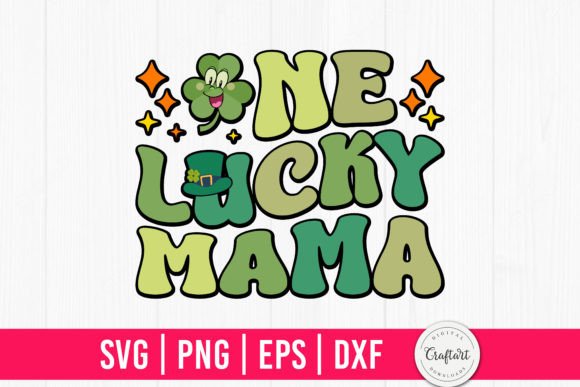
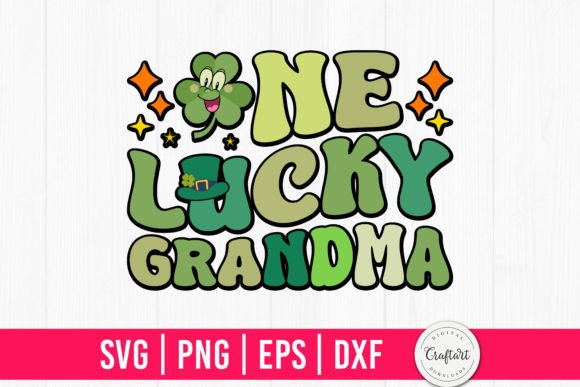
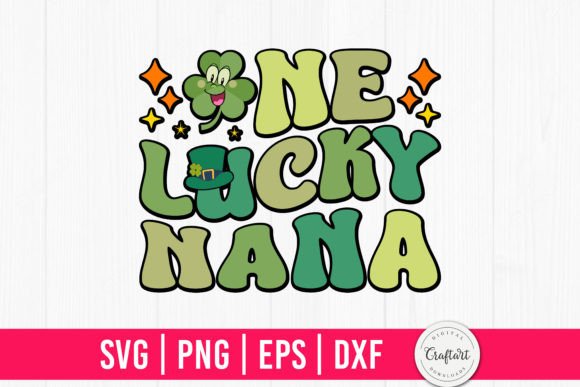
This isn’t just another generic text-based graphic slapped onto a vector canvas. When you first pull up the One Lucky Nana Retro SVG Design, the immediate impression is one of warmth and nostalgia. It taps into that sweet spot of sentimental value without feeling overly cluttered. For those of us selling on Etsy or running a small boutique shop, emotional resonance is often what converts a browser into a buyer. This design understands that language perfectly.
First Impressions and Visual Personality
The retro aesthetic is handled with restraint. In my experience, "retro" can easily tip over into "dated" or "messy" if the kerning and spacing aren’t precise. Here, the layout feels balanced. The typography has that classic, slightly rounded weight that suggests comfort rather than urgency. It screams "cozy living room," "Sunday brunch," or "family reunion."
From a pure design standpoint, the visual personality of One Lucky Nana is inviting. It doesn’t shout; it whispers. This makes it incredibly versatile. It works beautifully for a soft, pastel-themed baby gift, but it also holds its own on a heather grey sweatshirt for a grandmother who appreciates understated style. The shape and theme are clear, ensuring that even from a distance—say, across a crowded craft fair booth—the message is instantly readable.
Real-World Application: The Tote Bag Scenario
To truly test this machine embroidery design, I imagined a specific real-life scenario: creating a custom embroidered tote bag for a holiday gift. This is a staple product for many Etsy sellers and craft business owners because it has high perceived value and broad appeal.
I visualized placing the One Lucky Nana design on a sturdy canvas tote. Because the design relies heavily on clean lines and legible text, it translates exceptionally well to fabric. Unlike complex pictorial designs that require thousands of stitches and delicate color transitions, this piece allows the texture of the canvas to shine. The contrast between the thread and the fabric becomes part of the art. If I were stitching this for a client, I would opt for a cream or off-white thread on a natural canvas bag to maintain that vintage, lived-in feel. Alternatively, a bold navy thread on a black bag would give it a more modern, streetwear-inspired vibe.
The result? A finished product that feels professional and intentional. Customers don’t just buy a tote bag; they buy the sentiment attached to the word "Nana." This design elevates a simple accessory into a personalized keepsake. It’s the kind of item that gets photographed for Instagram and tagged by happy recipients, providing free marketing for your small shop product.
Performance on Different Garments and Items
While the tote bag was my primary test case, the versatility of One Lucky Nana extends to several other categories of custom apparel and home goods.
- Sweatshirt Embroidery: This is perhaps the strongest use case. The retro font pairs naturally with the soft fleece of a crewneck sweatshirt. It creates an instant classic look that appeals to a wide age demographic. Just be mindful of the stitch density; ensure your hooping is secure so the heavy knit doesn’t pucker during the run.
- Baby Embroidery: For christening gowns, blankets, or nursery decor, this design offers a softer touch. The curves in the lettering are gentle, making it suitable for delicate fabrics like muslin or cotton blends. It serves as a wonderful personalized gift for new parents or grandparents.
- Kitchen Towels and Aprons: The phrase fits the domestic sphere perfectly. On a tea towel, it adds a touch of humor and love to the kitchen. However, consider the washability here. Ensure you are using high-quality polyester threads that can withstand frequent laundering, as kitchen linens take a beating.
- Embroidered Patches: If you plan to create detachable patches for denim jackets or bags, this design scales well. The distinct outline makes it easy to add a border or backing, turning it into a trendy fashion accessory.
Where Caution Is Required
No design is flawless, and as a reviewer, I must point out where One Lucky Nana might present challenges depending on your setup and material choices.
First, avoid using this on highly textured fabrics like chunky wools or thick Terry cloth unless you have significant experience with stabilizers. The fine details in the letters may get lost in the weave. Similarly, thin or stretchy fabrics like silk or lightweight jersey require careful handling. Without proper tear-away or cut-away stabilizer, the tension of the stitches could distort the garment.
Be cautious with very small hoop sizes. While the design is not excessively large, cramming it into a tiny hoop (like 4x4 inches) might force you to reduce the size to the point where the lettering becomes cramped and harder to read. Always check the hoop size requirements before finalizing your product listing. Furthermore, on dark fabrics, ensure you choose thread colors with sufficient contrast. A light beige thread on a charcoal shirt might lack the pop needed for the design to stand out.
Practical Designer Notes for Success
If you decide to incorporate One Lucky Nana into your embroidery project workflow, here are some essential tips to ensure a professional finish:
- Test on Scrap Fabric: Never go straight to the final product. Run a test stitch on a scrap piece of the same fabric type. This helps you gauge how the thread interacts with the material and identifies any potential puckering.
- Check Stitch Density: Review the fill stitches in your software. If the density seems too high for the fabric weight, you may need to adjust the settings to prevent needle breakage or fabric distortion.
- Thread Color Contrast: Test your chosen thread colors against the fabric. A quick way to do this is to print a black-and-white mockup of the design on your fabric paper to see if the values separate correctly.
- Stabilizer Selection: Use the correct stabilizer for your fabric. Heavy-duty cut-away stabilizers are usually best for garments and totes, while lighter tear-away options may suffice for stable home decor items.
- Inspect Small Details: Zoom in on the digital file before stitching. Look for any overlapping paths or tiny elements that might cause threading issues or look muddy when stitched.
- Commercial Licensing: Before you start selling finished items, double-check the license terms provided with the digital embroidery file. Most platforms like Etsy have strict rules about commercial rights. Ensure you are legally cleared to sell products made from this design asset.
Final Verdict
In the world of graphics and crafts, finding a design that balances aesthetic appeal with technical reliability is key. One Lucky Nana succeeds on both fronts. It is a charming, well-executed design that brings genuine joy to handmade products. Whether you are a seasoned pro looking to expand your catalog or a hobbyist wanting to make a special gift, this design is a reliable choice.
It enhances brand consistency by offering a recognizable, warm aesthetic that customers associate with quality and care. By following basic testing protocols and choosing appropriate materials, you can turn this print-ready file into a best-selling handmade product that stands out in a crowded marketplace. It’s not just an embroidery file; it’s a conversation starter, a memory keeper, and a solid addition to your design assets library.