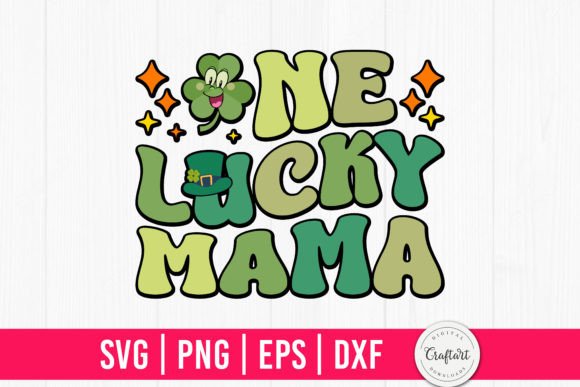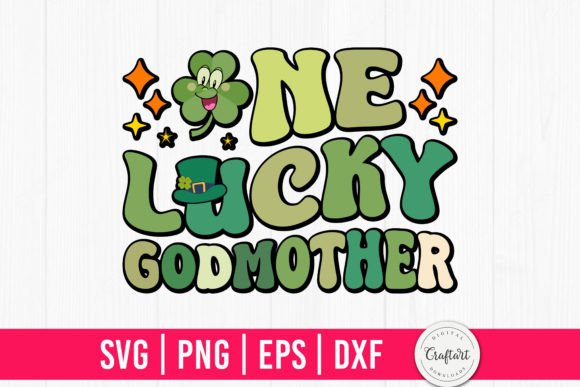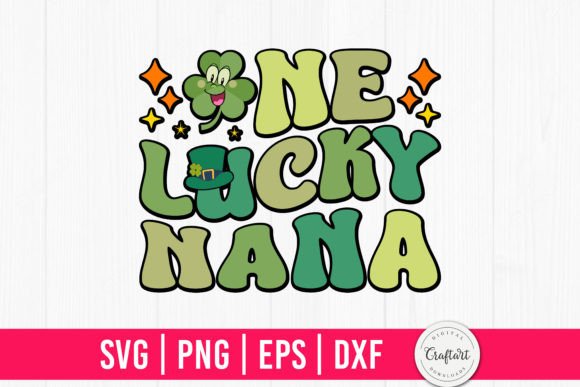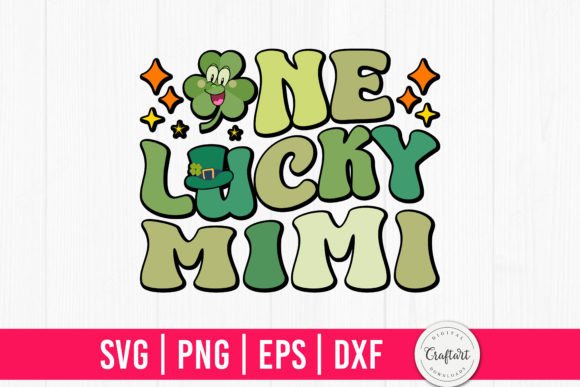
One Lucky Grandma Embroidery Review
As a designer who spends half her life in the embroidery hoop and the other half judging font kerning, I don’t just look at a file and see pixels. I see tension settings, stitch density, and how that design is going to hold up after twenty machine washes. When I pulled up One Lucky Grandma, my first thought wasn’t about the cute retro aesthetic—it was about execution. Would this translate well from a cutting machine SVG into a stitched reality? Could it survive on a curved cap or would it pucker on a soft cotton tee?
This review breaks down exactly how I see this design performing in real-world scenarios, specifically for those of us running small shops, selling on Etsy, or crafting meaningful gifts. Let’s get into the practical details.
The First Impression: Mood and Visual Personality
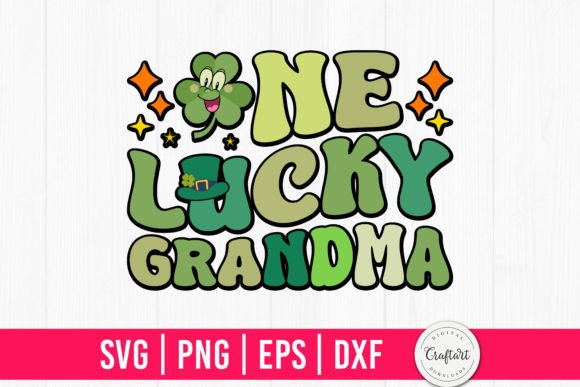
The name alone sets a specific tone. "One Lucky Grandma" isn’t just text; it’s a sentiment wrapped in nostalgia. The retro styling suggests a vintage badge or a classic diner sign vibe, which immediately tells me where this belongs. It feels warm, approachable, and slightly playful without being childish. This is crucial for handmade products because you are selling an emotion as much as you are selling a physical item.
Visually, the layout appears balanced enough to work on various substrates. For a machine embroidery design, the balance between text and graphic elements is key. If the design is too dense, it becomes stiff. If it’s too sparse, it looks unfinished. From what I can gather, this design leans toward a clean, bold aesthetic that relies on strong shapes rather than intricate, fragile details. That is a smart choice for commercial viability. Customers want something that looks good instantly and holds up over time.
Real-World Application: Where This Design Shines
I’ve been thinking through several potential projects for One Lucky Grandma. Here is where I see the highest value and best visual results:
- Custom Apparel & Sweatshirts: This is the obvious winner. A retro-style phrase on a heather grey or olive green sweatshirt hits that perfect sweet spot for casual wear. The design has enough presence to stand out on a chest pocket area or centered on the back. It works beautifully for holiday gifts, especially around Mother’s Day or Christmas, when grandmothers are looking for personalized keepsakes.
- Tote Bags: Canvas totes are a staple for any craft business. This design translates exceptionally well here. The sturdy fabric can handle the weight of the stitching without warping. I imagine this on a natural canvas bag with contrasting thread colors—maybe white thread on a dark bag for high contrast, or cream thread on a light bag for a softer, cottage-core look.
- Baby Items & Nursery Decor: While the theme is "Grandma," the retro style is versatile enough for baby blankets or burp cloths. It makes for a thoughtful gift from grandparents-to-be. The clean lines ensure that even if the embroidery is done in soft pastels, the message remains legible and clear.
- Embroidered Patches: If you plan to sell digital assets or finished goods, this design could easily be digitized as an applique design or a standalone patch. Patches are huge right now for denim jackets and backpacks. The bold nature of the text means it will read well even from a distance.
Technical Considerations and Potential Pitfalls
No design is perfect, and knowing where a design might struggle is just as important as knowing where it succeeds. Here is what you need to watch out for when working with One Lucky Grandma:
Fabric Texture and Stability
Textured fabrics like bouclé wool or heavy terry cloth can obscure fine details. If your design includes small decorative accents or thin lettering, these might get lost in the nap of the fabric. Always test on scrap fabric first. Similarly, stretchy fabrics like jersey knit require a proper stabilizer to prevent distortion. Without adequate support, the stitch density can pull the fabric, causing the text to warp or the overall shape to look uneven.
Hoop Size Constraints
If you are using smaller hoops, you need to be careful about the scale. Large blocks of fill stitch in a small hoop can lead to excessive hooping marks or difficulty in maneuvering the garment. Conversely, if the design is too large for the available hoop, you may end up with awkward re-hooping that misaligns the text. Check the recommended hoop size before committing to a project.
Thread Color Contrast
Retro designs often rely on high contrast to maintain their vintage feel. Using low-contrast thread colors (like yellow on white) will ruin the impact of the design. I recommend sticking to classic combinations: black on white, navy on cream, or burgundy on grey. Also, consider testing your design in a black-and-white mockup. If the design doesn’t have strong value contrast in grayscale, it likely won’t have enough visual punch in color either.
Detailed Corners and Lettering
Inspect the corners of the letters and any decorative elements. In machine embroidery, tight curves and sharp points can sometimes look jagged if the digitization isn’t optimized. If the design uses satin stitches for outlining, ensure there is enough underlay to keep the edges crisp. On dark fabrics, make sure you aren’t relying solely on the fabric color to define the shape; you need sufficient stitch coverage.
Impact on Product Value and Brand Consistency
Using a well-designed file like One Lucky Grandma directly impacts how customers perceive your brand. A clean, professional-looking embroidery job signals quality. It builds trust. When a customer receives a personalized gift or buys a boutique item, they are evaluating the craftsmanship. If the stitching is loose, the colors clash, or the design looks pixelated (if printed), that trust evaporates.
For Etsy sellers and small shop owners, consistency is key. Using designs that are proven to work well across different products helps establish a cohesive brand identity. This design’s versatility allows you to offer matching items—a sweatshirt, a tote, and a tea towel—all featuring the same core motif. This cross-selling opportunity increases average order value while keeping your inventory streamlined.
Practical Designer Notes Before You Stitch
Before you send this to production, follow these steps to ensure success:
- Test Run: Never cut into final product fabric without a test run. Use a similar fabric type and weight to see how the design behaves.
- Check Licensing: Confirm whether you have the rights to sell finished products made with this design. Commercial licenses vary widely, and respecting intellectual property is non-negotiable in the digital product seller community.
- Stabilizer Selection: Choose the right stabilizer for your fabric. Tear-away for woven stability, cut-away for stretchy fabrics, and water-soluble for delicate applications.
- Thread Quality: Don’t skimp on thread. High-quality polyester or rayon thread not only looks better but also reduces breakage and lint buildup in your machine.
- Mockups: Create printable mockups to visualize the design on different products. This helps you present your offerings more effectively to potential buyers.
Final Verdict
One Lucky Grandma is a solid addition to any designer’s library. It balances charm with practicality, making it suitable for everything from personal gifts to commercial merchandise. Its retro appeal ensures it won’t feel outdated quickly, and its clean structure makes it forgiving for both beginners and seasoned embroiderers. Just remember to respect the technical limits of your machine and fabric, and you’ll create finished products that customers will love to wear and use.
Whether you are decorating custom apparel, creating holiday embroidery collections, or expanding your handmade product line, this design offers a reliable foundation for success. Happy stitching!