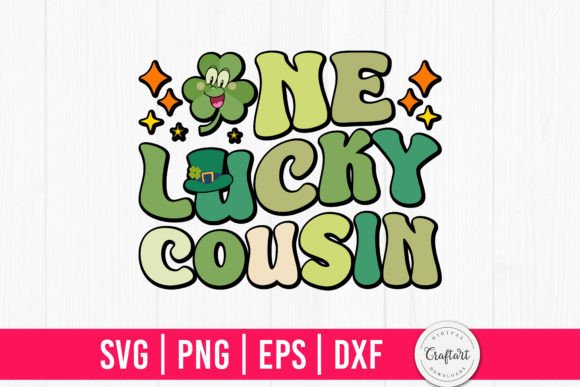
One Lucky Cousin Embroidery Review
As a designer who spends more time than I care to admit staring at stitch lines and debating thread colors, I approach every new digital embroidery file with a mix of curiosity and skepticism. The market is flooded with assets, but finding a design that balances aesthetic charm with technical viability for real-world production is rare. Today, I am putting the One Lucky Cousin Retro SVG Design through its paces. This isn’t just about how it looks on a screen; it is about how it translates from a vector graphic into a tangible, high-quality embroidered piece.
The title “One Lucky Cousin” immediately suggests a specific mood: nostalgic, warm, and slightly playful. In the world of craft business items and handmade gifts, emotional resonance is half the battle won. This design taps into that feeling of familial connection and retro whimsy. It feels like something you would find in a vintage general store or pinned to a bulletin board in a cozy grandmother’s kitchen. For an Etsy seller or a small shop owner looking to create personalized gift collections, this kind of thematic clarity is invaluable. It tells the customer exactly what the product represents before they even see the price tag.
First Impressions and Visual Personality
When I first opened the files provided in the download—typically including svg png dxf eps formats suitable for cutting machines—I was struck by the clean lines and the distinct retro typography style. The layout appears balanced, avoiding the cluttered look that plagues many budget designs. The visual personality is confident without being aggressive. It relies on strong shapes and clear negative space, which are critical factors when considering how a design will hold up under the tension of an embroidery hoop.
The retro aesthetic lends itself perfectly to current trends in custom apparel. We are seeing a massive shift toward nostalgic themes in streetwear and boutique fashion. A design like One Lucky Cousin fits seamlessly into this landscape. It feels timeless rather than trendy, which means your inventory won’t feel outdated next season. For creators focusing on holiday embroidery or family reunion merchandise, this design offers a ready-made narrative that customers can easily connect with.
Real-World Application: From Screen to Stitch
To truly evaluate this asset, I imagine it applied to several common embroidery project scenarios. Let’s start with a heavy cotton canvas tote bag. This is a staple product for craft fairs and online shops. The bold nature of the retro text should translate well here, providing excellent visibility against the textured fabric. However, the key will be the thread colors chosen. A high-contrast palette, perhaps cream thread on a navy bag or mustard yellow on black, will ensure the message pops.
Next, consider a sweatshirt embroidery application. This is where the design’s potential for commercial success shines. Parents often look for unique, non-generic designs for their children’s clothing. “One Lucky Cousin” is perfect for sibling sets or extended family gatherings. When stitched onto a fleece or French terry sweatshirt, the design adds a layer of softness and warmth that complements the garment’s function. It transforms a basic blank into a handmade product with story and sentiment.
I also see this working beautifully as an embroidered patch for denim jackets or backpacks. The self-contained nature of the design allows it to stand alone as a focal point. For small business merchandise, using this as a logo variation or a special edition item can help differentiate your brand from competitors offering mass-produced goods. It signals to the buyer that you care about curation and quality.
Technical Considerations and Fabric Compatibility
While the artistic merit is high, a professional review must address the technical realities of digitization and stitching. Even though this is sold as a cutting machine file (SVG/DXF), many designers use these vectors as references for digitizing custom machine embroidery design projects or creating hybrid crafts. If you are converting this for embroidery, you must pay close attention to stitch density.
Retro fonts often feature thick serifs and bold strokes. If the stitch density is too high, the fabric may pucker, especially on lightweight materials. Conversely, if the hoop size required is larger than anticipated, it might limit where you can place the design on garments like caps or baby onesies. Always test the design on scrap fabric first. Check how the satin stitch edges hold up on different fabrics. On a smooth polyester, the stitches might slip, whereas on a natural fiber like cotton or linen, they should bite nicely.
Be cautious when applying this to stretchy fabrics or curved surfaces like baseball caps. The structural integrity of the design needs to withstand the curvature without distorting. If the original digitization (if applicable) does not include proper underlay stitches, the text may shift during the process. For thin fabrics, such as those used in some tea towels or lightweight aprons, a sturdy stabilizer is non-negotiable to prevent puckering and maintain the crispness of the retro lines.
Design Details and Clarity
One aspect to scrutinize is the smallest detail in the lettering. Does the design rely on tiny, intricate elements that might get lost in the thread? Or does it use broad, impactful shapes? A successful embroidery file prioritizes legibility. If “One Lucky Cousin” includes fine decorative accents, ensure they are large enough to be stitched clearly. Tiny details often require specialized techniques like applique or complex fill patterns that increase production time. For a high-volume craft business, simplicity often wins because it reduces hooping and trimming time.
Also, consider the background. How does the design look on dark fabric versus light fabric? Some retro designs lose their impact on dark backgrounds if the thread choice isn’t vibrant enough. I recommend testing your top thread choices in both lighting conditions. A good rule of thumb is to mock up the design in black and white to check contrast levels before committing to expensive specialty threads.
Strategic Value for Sellers and Makers
From a business perspective, One Lucky Cousin offers strong versatility. It bridges the gap between personal expression and professional polish. For apparel decorators, it provides a ready-to-use concept that requires minimal adaptation. You can offer it as a standard option in your shop, allowing customers to personalize names or dates around the central phrase.
The design also enhances brand consistency if your shop focuses on family-oriented or vintage-inspired goods. Using cohesive design assets helps build recognition. When a customer sees the same stylistic language across your tote bags, pillows, and hats, they begin to trust the quality of your work. This trust translates into repeat purchases and positive reviews.
Furthermore, the digital nature of the source file means you can easily create printable mockups for your online listings. Showing the design on various products helps customers visualize the final result, reducing hesitation and increasing conversion rates. Whether you are selling the physical finished product or the digital design assets themselves, the underlying appeal of the artwork drives engagement.
Final Verdict
The One Lucky Cousin Retro SVG Design is a solid addition to any designer’s toolkit. Its strength lies in its emotional clarity and retro charm, making it ideal for personalized gift markets and family-centric merchandise. While it excels visually, success in execution depends on careful attention to technical details like stabilizer selection, thread contrast, and fabric compatibility.
For hobbyists, it offers a fun, manageable project that yields a beautiful keepsake. For commercial embroidery professionals, it represents a low-risk, high-reward asset that aligns with current aesthetic trends. Just remember to always verify the specific technical specifications of the file you receive, test thoroughly on your target materials, and ensure you have the appropriate licensing rights for commercial use. When done correctly, this design has the potential to become a bestseller in your shop, bringing both profit and joy to your customers.