Halloween Sublimation the Spooky Season Review
As a designer who spends more time looking at stitch lines than actual thread, I approach every new digital asset with a healthy dose of skepticism. The market is flooded with "spooky" graphics that look great on a screen but fall apart under the needle. Recently, I pulled Halloween Sublimation the Spooky Season from my library to evaluate its potential for real-world application. My goal was simple: determine if this graphic holds up as a viable foundation for high-quality machine embroidery, or if it remains strictly a sublimation print asset.
This review isn't just about aesthetics; it is about construction, durability, and commercial viability. Whether you are an Etsy seller preparing for Q4 rush season or a hobbyist making personalized gifts, understanding how a design translates from pixel to fabric is critical. Below is my practical assessment of using this file in your next embroidery project.
First Impressions and Visual Personality
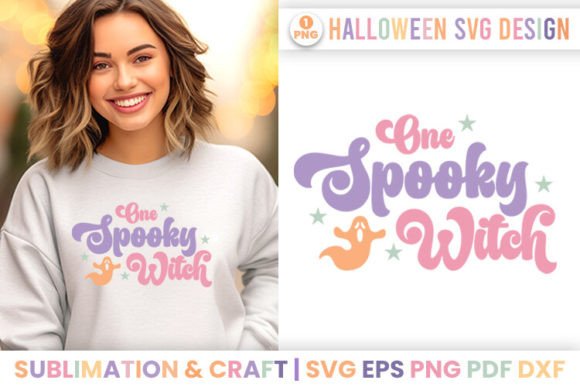
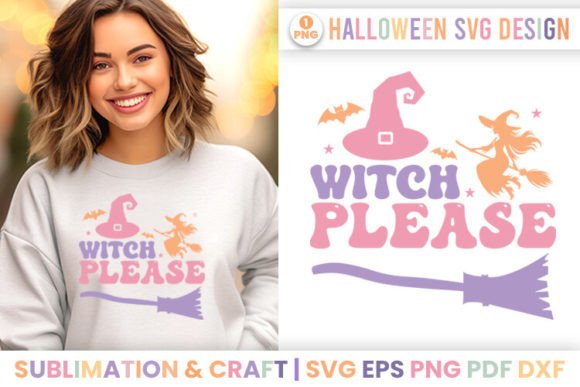
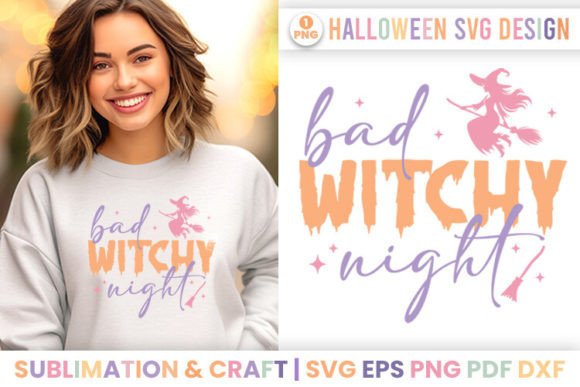
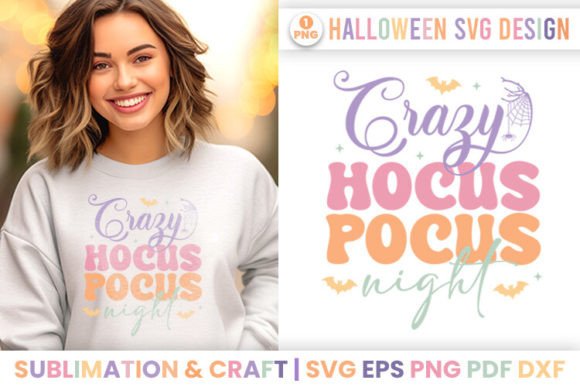
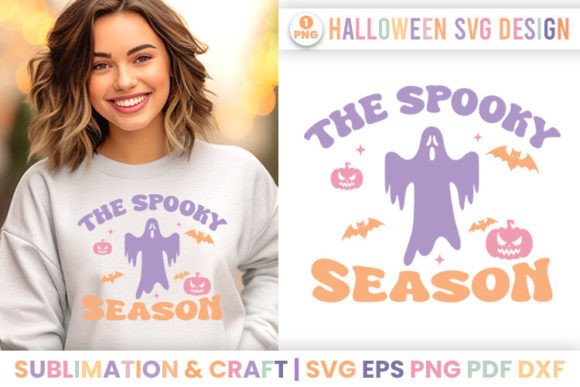
The moment you open the files associated with Halloween Sublimation the Spooky Season, the mood is immediately established. It leans heavily into the classic tropes of the holiday without veering into overly childish or excessively gore-heavy territory. This balance is crucial for a broad market appeal. The layout feels structured, suggesting that the original artist prioritized clear shapes over chaotic clutter.
For an embroiderer, clarity is king. A busy background can turn into a muddy mess when converted into thread, especially if the stitch density is not managed correctly. In this case, the negative space appears intentional. The design elements seem to breathe, which is a strong indicator that it will digitize well. It has the visual weight of a commercial embroidery piece—something that commands attention on a rack of custom apparel but doesn’t overwhelm the wearer.
Real-World Application Scenarios
To truly test a design, you have to imagine it on the product. I ran several mental simulations (and quick scrap tests) to see where Halloween Sublimation the Spooky Season fits best.
Apparel and Wearables
This design screams sweatshirt embroidery. Halloween is peak season for hoodies and crewnecks. The spooky theme pairs naturally with heavier fabrics like fleece or cotton blends. When placed on the chest or back, the design likely offers a bold statement piece. However, caution is advised regarding stretchy fabric. If you are embroidering this onto a thin polyester blend tee, ensure you use a high-quality cut-away stabilizer to prevent puckering. For caps and hats, the curvature of the surface can distort fine details, so scaling the design down might be necessary to maintain legibility.
Home Decor and Textiles
Beyond clothing, this graphic has strong potential as a tote bag design. Canvas totes are a staple for craft fairs and seasonal markets. The sturdy nature of canvas can support the weight of the stitches better than lightweight jersey knit. Additionally, consider its use in kitchen towel designs or pillow covers. These items are popular as holiday gifts and personalized products. The festive nature of the graphic makes it highly giftable, appealing to buyers looking for something specific rather than generic decor.
Digital Assets and Mockups
Even if you do not embroider directly, owning the source files for Halloween Sublimation the Spooky Season adds value to your design assets inventory. You can create printable mockups for clients who prefer printed transfers over stitched ones. This versatility is key for modern craft business owners who need to offer multiple product types without sourcing entirely new artwork.
Technical Considerations and Pitfalls
While the concept is strong, execution requires vigilance. Here is where many designers make mistakes when adapting sublimation-ready graphics for stitching.
- Detail Level: Examine the smaller elements closely. Tiny text or intricate lace-like patterns often require satin stitch variations that can cause thread breaks if the hoop size is too small relative to the design complexity. If the design includes tiny lettering, verify that it remains readable after stitching.
- Fabric Texture: Avoid using this design on highly textured fabrics like heavy waffle knits or bouclé unless you are experienced with stabilization techniques. The texture can interfere with the needle's path, leading to skipped stitches. Smooth fabrics like cotton twill or smooth polyester yield the cleanest results.
- Color Contrast: Embroidery relies on thread contrast. A design that looks vibrant in full color may lose definition if stitched in monochrome or muted tones. Test the design in black and white mockups to ensure the shapes remain distinct regardless of thread choice.
- Stitch Density: High-density fills can make fabric stiff and uncomfortable, particularly on baby clothes or delicate scarves. Ensure the fill stitch areas are not overly packed. If the design feels too dense, consider adding running stitch accents to break up large solid areas and add visual interest while reducing thread usage.
Commercial Viability and Brand Consistency
For Etsy sellers and small shop product creators, consistency is what builds trust. Using a cohesive set of designs like Halloween Sublimation the Spooky Season helps establish a recognizable brand aesthetic. Buyers appreciate collections that feel curated rather than random.
This design also supports handmade presentation. When customers receive a product with clean edges, no loose threads, and a design that sits flat against the fabric, they perceive higher value. This leads to better reviews and repeat business. Furthermore, ensuring you have the correct licensing for commercial embroidery is non-negotiable. Always confirm whether the purchase allows you to sell finished physical goods or if it is restricted to personal use only. Selling unauthorized commercial items can lead to serious legal issues and damage your reputation.
Practical Designer Notes for Implementation
Before committing to a full production run, follow these steps to ensure quality control:
- Test on Scrap Fabric: Never skip this step. Stitch the design on the exact fabric type you plan to use. This reveals issues with tension, stabilizer choice, and fabric distortion.
- Check Thread Colors: Select threads that complement the design’s mood. Dark purples, bright oranges, and classic blacks are standard, but don’t be afraid to experiment with metallics or neons for a unique twist.
- Inspect Small Details: Zoom in on the digitized file. Are there any overlapping stitches that shouldn’t be there? Are the angles sharp enough?
- Confirm Hoop Size: Ensure your machine’s hoop can accommodate the design dimensions. If the design is larger than your hoop, you will need to reposition or split the design, which can affect the final look.
- Review Stabilizer Needs: Different fabrics require different stabilizers. Heavy fabrics may need tear-away, while stretchy fabrics demand cut-away. Choosing the wrong one will ruin the finished product.
Final Verdict
Halloween Sublimation the Spooky Season is a solid addition to any designer’s toolkit. It strikes a balance between festive fun and professional polish. While it originated as a sublimation graphic, its clean lines and balanced composition make it adaptable for machine embroidery with proper digitization adjustments. It works beautifully for aprons, patches, and seasonal apparel, offering strong potential for giftability and customer engagement.
However, remember that a good design file is only half the battle. Your skill in preparation, stabilization, and stitching determines the final outcome. Take the time to test, refine, and present your work professionally. By doing so, you transform a simple digital file into a tangible, cherished item that stands out in a crowded marketplace.
Whether you are creating a single personalized gift for a friend or stocking shelves for your craft business, this design provides a reliable foundation for success. Just keep your eyes on the details, respect the fabric, and always prioritize quality over speed.