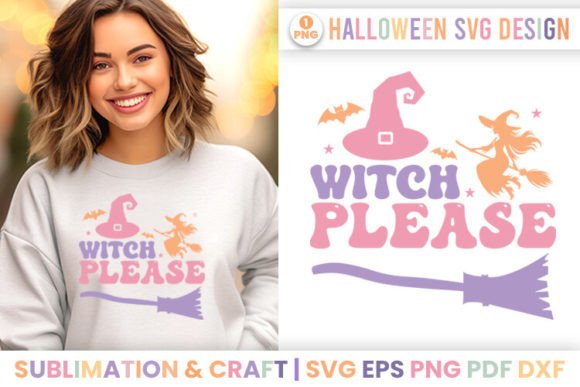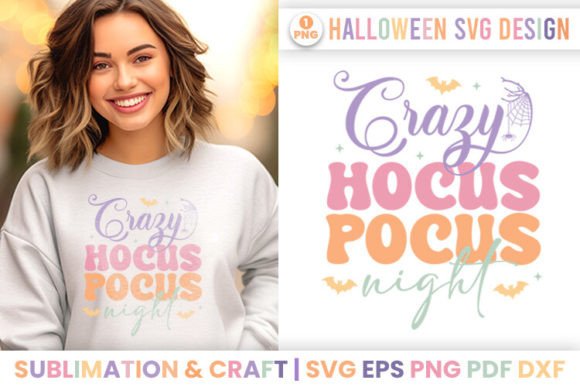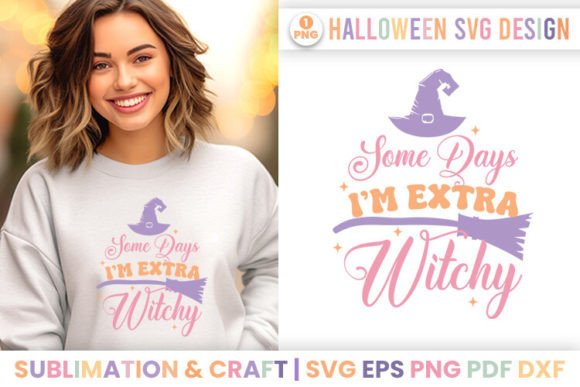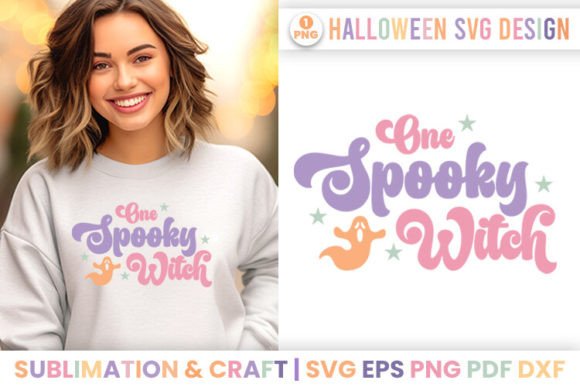
Halloween Sublimation Bad Witchy Night Review
As a designer who spends half her life staring at stitch patterns and the other half worrying about thread tension, I don’t just buy digital files—I evaluate them. I look for potential pitfalls before they become expensive mistakes on my embroidery machine. When I first pulled up Halloween Sublimation Bad Witchy Night, I wasn’t looking for something cute; I was looking for something that would hold up in a real-world commercial setting. This collection, categorized under Crafts and Graphics, promises high-resolution assets in SVG, PNG, EPS, PDF, and DXF formats. But how does it translate from a screen to fabric? That is where the real test begins.
First Impressions: Mood and Visual Personality
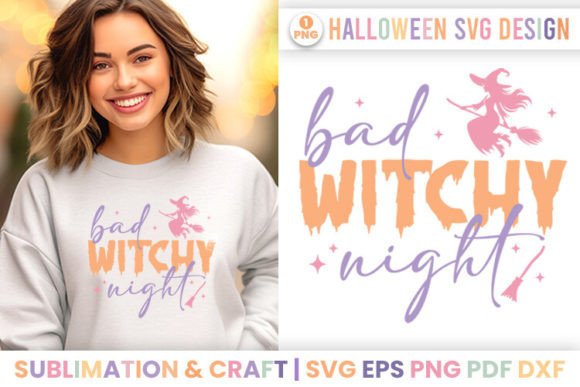
The moment you open the design file, the mood is set. It isn’t subtle. The "Bad Witchy" theme suggests a playful, slightly mischievous aesthetic that leans into the darker side of Halloween without crossing into horror. For an embroidery project, this visual personality is crucial because it dictates the stitching strategy. A design like this needs to balance detail with readability. If the elements are too intricate, they will turn into a muddy mess after stitching. If they are too simple, they lose their character.
In this case, the layout feels balanced. The central figure commands attention, while the surrounding text and decorative accents frame it effectively. This kind of composition works exceptionally well for custom apparel because it allows the eye to travel across the garment rather than getting stuck on one tiny focal point. It feels professional, not amateurish. For an Etsy seller or a small shop product owner, this distinction matters. Customers can often tell the difference between a rushed clip-art job and a thoughtfully designed piece. Halloween Sublimation Bad Witchy Night leans toward the latter, offering a level of polish that enhances brand consistency.
Real-World Application: From Screen to Stitch
Let’s talk about how this design performs when we move away from the monitor and onto the hoop. I recently imagined using this for a batch of custom embroidered tote bags intended for a local craft fair. Tote bags are a staple for any craft business, but they present unique challenges. The canvas is thick, and the surface area is large. You need a design that anchors itself visually.
Using Halloween Sublimation Bad Witchy Night on a heavy-duty cotton canvas would likely yield a striking result. The contrast between the dark fabric and bright thread colors could make the design pop, provided you choose your thread colors wisely. However, if you plan to use this on lighter fabrics, such as white t-shirts or baby onesies, the density of the fill stitches might feel overwhelming. In those scenarios, reducing the scale or simplifying the background elements might be necessary to maintain a delicate, wearable aesthetic.
I also considered applying this to sweatshirt embroidery. Hoodies and crewnecks are perfect for holiday embroidery themes. The texture of fleece provides a nice backdrop for satin stitch outlines, which are common in witch-themed designs. The "Bad Witchy" vibe pairs naturally with the cozy, oversized fit of a hoodie, creating a product that feels both trendy and functional. For a personalized gift, adding a name in a complementary font below the main graphic could elevate the item from a mass-produced good to a bespoke treasure.
Where Caution Is Required
No design is flawless, and knowing where to exercise caution is part of being a professional. There are specific situations where Halloween Sublimation Bad Witchy Night might struggle:
- Small Hoop Sizes: If you attempt to digitize or embroider this on a very small hoop (under 4x4 inches), you risk losing critical details. Tiny lettering or fine lines may merge together, resulting in a blurry appearance. Always check the minimum recommended size before committing to production.
- Textured Fabrics: While canvas works, highly textured fabrics like chenille or thick waffle knits can distort the design. The uneven surface makes it difficult for the needle to penetrate consistently, leading to skipped stitches or puckering. Stick to smooth, stable fabrics for the best clarity.
- Stretchy Materials: Embroidering on stretchy knit fabrics requires extra care. Without proper stabilizer support, the fabric can shift during stitching, causing the design to warp. If you must use this on jersey or spandex blends, ensure you are using a strong cut-away stabilizer and testing on scraps first.
- Dense Stitch Areas: Check the stitch density in the digital preview. If large areas are filled with dense satin or fill stitches, the final product may become stiff and uncomfortable to wear. This is particularly important for baby embroidery, where softness is a priority. For infant items, consider using applique techniques or lighter fill densities to keep the fabric pliable.
Technical Considerations for Designers
Before running this file through your machine, there are several technical steps every designer should take. First, inspect the small details. Zoom in on the digital preview to ensure that corners are sharp and lines are clean. If the source file is low resolution, you might encounter jagged edges that won’t translate well to thread.
Next, review the stitch density. High-density designs consume more thread and time, which impacts your profit margins in a commercial embroidery context. Ensure that the design is optimized for efficiency without sacrificing quality. Also, confirm whether the design includes separate layers for different stitch types, such as satin stitch, fill stitch, and running stitch. Having these distinctions clear makes editing easier if you need to adjust the color palette or remove certain elements.
Another critical step is testing in black and white mockups. Sometimes, color choices that look great on screen can clash in person. By viewing the design in grayscale, you can assess the contrast and balance of the shapes. This helps you decide which thread colors will provide the best visibility against your chosen fabric background.
Value and Customer Appeal
From a business perspective, Halloween Sublimation Bad Witchy Night offers strong value. Halloween is a peak season for handmade products, and customers are actively seeking unique, thematic items. A well-executed design like this can boost buyer engagement and increase perceived value. When a customer sees a professionally stitched design on a tote bag design or a pillow cover, they are more likely to trust the quality of the workmanship.
This design also lends itself well to printable mockups. As a digital product seller, you can create attractive listings by placing the design on various backgrounds and products. This allows potential buyers to visualize the finished item before purchasing, which can reduce hesitation and increase conversion rates. Whether you are selling the physical product or the digital file itself, the versatility of Halloween Sublimation Bad Witchy Night makes it a valuable asset in your design library.
Final Verdict
After evaluating the visual appeal, technical requirements, and practical applications, I find that Halloween Sublimation Bad Witchy Night is a solid choice for designers looking to expand their Halloween offerings. It strikes a good balance between style and functionality, making it suitable for a wide range of projects, from holiday gifts to boutique branding.
However, success depends on execution. Take the time to test on scrap fabric, verify your hoop size, and select appropriate stabilizers. By paying attention to these details, you can transform a digital file into a stunning finished product that customers will love. For any creative entrepreneur or maker looking to add a touch of spooky charm to their inventory, this design is worth considering—provided you approach it with the careful eye of a professional.