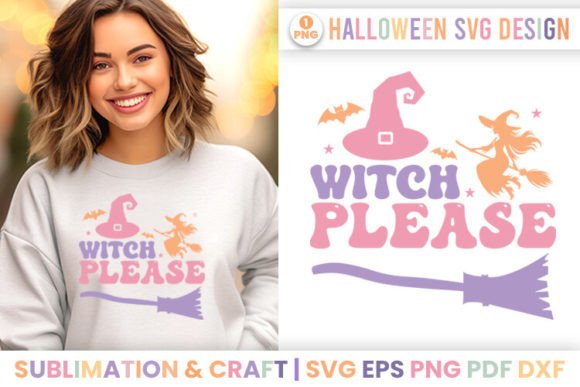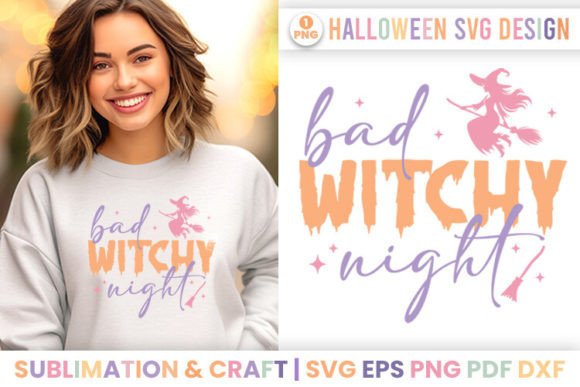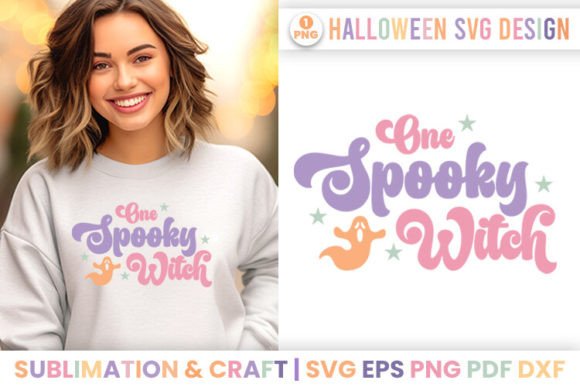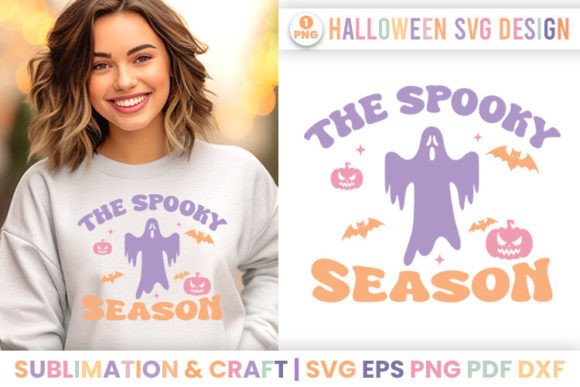
Halloween Sublimation Crazy Hocus Pocus Review
As a designer who spends half my life staring at digitizing software and the other half testing stitches on scrap fabric, I don’t just look at an embroidery file; I look at its potential. When Halloween Sublimation Crazy Hocus Pocus landed in my review queue, I didn’t see just another holiday graphic. I saw a specific mood, a distinct visual personality, and a set of practical challenges that every embroiderer needs to navigate before hitting the start button on their machine.
This isn’t about whether the file is "pretty." It’s about whether it works when converted into thread, stitched onto fabric, and sold as a finished product. Below is my honest breakdown of how this design performs in real-world scenarios, from boutique apparel to personalized gifts.
The First Impression: Mood and Visual Personality
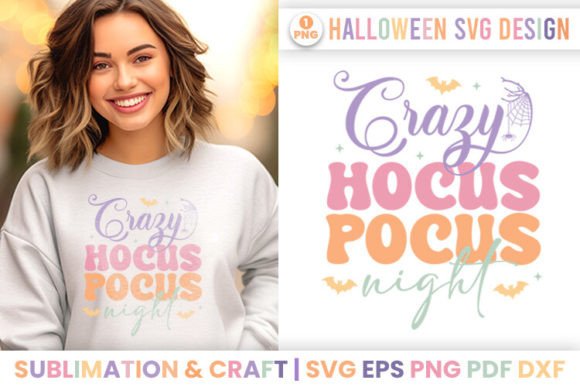
The name Crazy Hocus Pocus sets a high bar for energy. From a design perspective, this piece doesn’t whisper; it shouts with playful chaos. The layout feels dynamic, avoiding the static, centered compositions that plague so many generic holiday files. Instead, it suggests movement, which is crucial for capturing attention on social media feeds or craft fair tables.
Visually, the design balances whimsy with structure. It creates a sense of festive anticipation without leaning too heavily into horror. This makes it incredibly versatile. It fits perfectly into the crafts and graphics categories because it bridges the gap between spooky season fun and general autumnal cheer. For a designer, this means you aren't limited to selling only to hardcore Halloween enthusiasts. You can market this to anyone looking for a touch of seasonal magic.
Real-World Application: Where This Design Shines
I put Halloween Sublimation Crazy Hocus Pocus through its paces by imagining it on various substrates. Here is where it naturally excels:
- Custom Apparel and Sweatshirts: This design has enough visual weight to stand up on a heavy cotton sweatshirt. It works beautifully as a large chest print or a full-back statement piece. The intricate details hold up well against the texture of fleece or French terry, adding depth rather than getting lost in the fabric grain.
- Tote Bags and Canvas Goods: A tote bag design needs to be bold. This file delivers. When stitched onto natural canvas or dark-colored cotton totes, the contrast allows the machine embroidery design to pop. It elevates a simple accessory into a branded, handmade product that customers are proud to carry around town.
- Baby Items and Nursery Decor: Despite the "Crazy" title, the aesthetic remains soft enough for baby clothes. Think onesies, burp cloths, or nursery wall hangings. The embroidery project becomes a sentimental gift rather than just a costume piece. Parents love personalized items that mark the first Halloween, and this design provides a memorable focal point.
- Commercial Embroidery and Etsy Listings: For the Etsy seller or small business owner, versatility is currency. This design allows you to create a cohesive line: matching aprons for kitchen use, pillow covers for home decor, and kitchen towels. It streamlines your inventory because one digital asset can spawn multiple physical products.
The Technical Reality: Stitching and Clarity
No matter how good a vector looks on screen, the true test is the stitch-out. When evaluating Halloween Sublimation Crazy Hocus Pocus, we have to talk about stitch density and detail resolution.
The design features complex shapes that likely rely on a mix of satin stitch for outlines and fill stitch for body areas. In my experience, designs with this level of intricacy require careful hooping. If the hoop size is too small relative to the design, you risk distortion. Always check the recommended hoop size before starting. If the design pushes the limits of a standard 4x4 or 5x7 inch hoop, you may need a larger frame to maintain stability.
Thread color selection is equally critical. Because this is a digital embroidery file intended for sublimation-style vibrancy, translating those colors into thread requires judgment. Using low-quality polyester threads might make the design look flat. Opt for high-sheen rayon or premium polyester blends to mimic the crispness of the original graphic. Additionally, inspect the stitch density closely. Areas with dense fill stitches can become stiff and bulky, especially on delicate fabrics. If you plan to embroider this on a thin t-shirt, consider reducing the stitch count slightly or using a lighter stabilizer to prevent puckering.
Where to Use Caution
Even the best designs have limitations. There are specific scenarios where Halloween Sublimation Crazy Hocus Pocus might struggle if not handled with care:
- Small Hoop Sizes: If you attempt to shrink this design down to fit a tiny cap logo or a miniature patch, you will lose detail. Fine lines may merge, and text (if present) may become illegible. Keep this design at a size where individual elements remain distinct.
- Textured and Stretchy Fabrics: Avoid stitching this on highly textured fabrics like chunky knits or boucle wool. The needle penetration will be inconsistent, leading to skipped stitches. Similarly, stretchy fabrics like spandex blends require excellent stabilization to prevent the design from warping during wear.
- Curved Surfaces: While caps are popular, complex curved surfaces can distort symmetrical designs. If you place this on a hat, ensure the curve matches the design's orientation. A misaligned placement can ruin the visual balance.
- Dense Stitch Areas on Thin Fabric: As mentioned, thick fill stitches on lightweight materials can cause puckering. Test on a scrap piece of your actual garment fabric first. If the fabric pulls, switch to a cut-away stabilizer or add a tear-away backing for extra support.
Product Value and Customer Trust
In the world of handmade goods, presentation is everything. A well-executed finished product builds trust. When a customer receives a tote bag or sweatshirt featuring Halloween Sublimation Crazy Hocus Pocus, they are buying into the quality of the craftsmanship as much as the design itself.
If the stitching is clean, the tension is even, and the colors are vibrant, the buyer perceives higher value. They are more likely to leave a positive review and recommend your shop to others. Conversely, sloppy execution—even with a great design—can damage your brand reputation. This is why testing is non-negotiable. Create a printable mockup to visualize the final look, but always stitch a physical sample. Check for loose threads, ensure the stabilizer is completely removed, and press the item properly.
Practical Designer Notes for Success
To get the most out of this design, follow these steps:
- Test on Scrap Fabric: Never go straight to the final product. Use a spare piece of the same material to check tension and stability.
- Review Thread Contrast: Ensure your thread colors provide enough contrast against the fabric. Dark threads on dark fabric can disappear, while light threads on bright fabric might look washed out.
- Check Licensing: Before selling any commercial embroidery items, verify the license terms included with the file. Some files are for personal use only, while others allow commercial sales of finished goods.
- Use Proper Stabilizer: Match your stabilizer to your fabric weight. Heavy fabrics need heavy stabilizers; light fabrics need light ones.
- Inspect Small Details: Zoom in on the digitized file. Are there tiny triangles or thin lines that might break? Simplify if necessary.
Ultimately, Halloween Sublimation Crazy Hocus Pocus is a strong contender for any designer’s library. It offers a blend of festive flair and structural integrity that translates well to various mediums. By paying attention to the technical details and choosing the right substrates, you can turn this digital asset into a profitable, beloved handmade product. Whether you are a seasoned pro or just starting your craft business, this design provides a solid foundation for creating memorable Halloween merchandise.