Sassy Bunny Era: A Designer’s Review
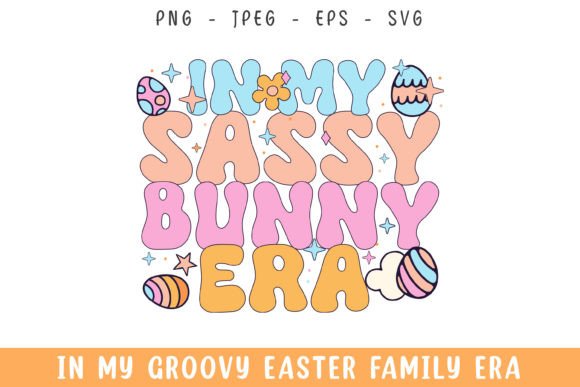
When I scroll through new design assets for my studio, I am usually looking for one thing: versatility. Can this graphic survive the transition from a flat vector screen to a textured, stitched reality? Today, I am putting In My Sassy Easter Bunny Era Groovy Svg under the microscope. As an embroidery designer who has seen trends come and go, I approach this retro-themed piece with a mix of excitement and healthy skepticism. The description promises a groovy, hippie-inspired aesthetic that is easy to color-change, but does it hold up when the needle starts moving?
First Impressions and Visual Personality
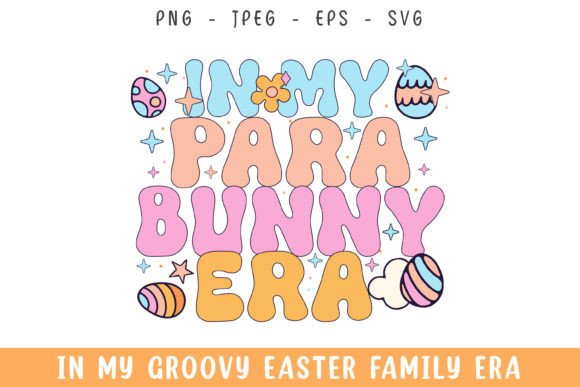
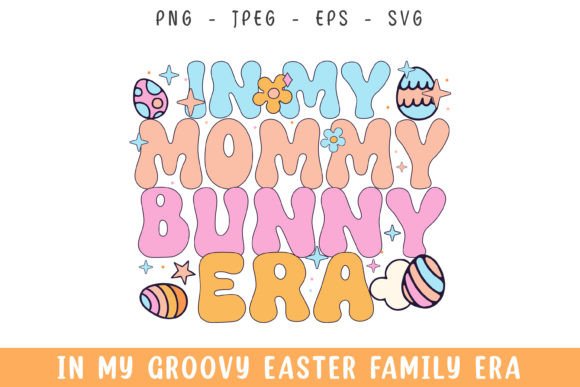
The moment you load this file into your digitizing software or design program, the mood shifts. It is not just a standard bunny outline; it carries a distinct personality. The "groovy" aspect suggests curves, bold lines, and a nod to 70s aesthetics. For a designer, this is crucial because the shape dictates how the fabric will behave during stitching. This design feels like it belongs in the realm of custom apparel and handmade product lines that target a younger, trend-conscious demographic.
The visual weight of the text combined with the character creates a balanced composition. It is loud enough to be noticed on a shelf at a craft fair, yet structured enough to remain legible after stitching. When I imagine this as a tote bag design, it immediately pops. The contrast between the playful message and the vintage style makes it a strong candidate for Etsy seller listings looking to capture the spring market without feeling generic.
Real-World Application: From Screen to Stitch
Let’s talk about where this design actually shines. In my experience, the best embroidery project choices are those that fit seamlessly into a creator’s existing workflow. This SVG translates beautifully into several categories:
- Custom Apparel: The prompt mentions it works well for both dark and white t-shirts. This is a significant advantage. On a black tee, the groovy colors can pop with high contrast, while on white, softer pastel threads can create a delicate, nostalgic feel. It is perfect for sweatshirt embroidery projects where comfort meets statement-making graphics.
- Holiday Embroidery: Easter is often treated as a seasonal afterthought compared to Christmas, but there is a massive market for it. This design taps into the "Sassy" trend, appealing to adults who want something fun rather than traditional. It fits perfectly into holiday embroidery collections for small shops.
- Personalized Gifts: Because the theme is lighthearted, it works exceptionally well as a personalized gift. Imagine stitching this onto a kitchen towel or a nursery item. The groovy vibe adds a modern twist to traditional gifting.
I also see potential here for embroidered patch applications. If you add a clean border, this could easily become a detachable badge for denim jackets or canvas bags, expanding its utility beyond just direct-to-garment decoration.
Technical Considerations and Fabric Challenges
No design is flawless, and as a reviewer, I must point out where caution is needed. The success of In My Sassy Easter Bunny Era Groovy Svg depends heavily on your execution.
First, consider the stitch density. Retro designs often rely on thick, solid fills to convey their shape. If the fill stitch is too dense, you risk puckering on lightweight fabrics. Always test this on scrap fabric first. If you are working with fabric texture like heavy denim or fleece, ensure your stabilizer choice is robust enough to support the design without shifting.
Another critical factor is the hoop size. While the description implies flexibility, large text-based designs can sometimes look cramped if forced into a smaller hoop. Make sure the hoop size allows the "groovy" curves to breathe. If the curves are too tight, they may lose their fluidity and look jagged after stitching.
Color contrast is paramount. The description notes it is easy to change colors, which is great for thread colors planning. However, on dark fabrics, you must ensure your lightest thread shades have enough opacity. Conversely, on white backgrounds, avoid using pale yellows or light pinks unless you are aiming for a very subtle, tonal look. For maximum impact, use saturated jewel tones or classic retro pastels.
Where to Use Carefully
There are specific scenarios where this design might struggle:
- Small Hoop Sizes: If the text details are fine, shrinking the design for a mini-hoop may result in lost definition. Keep the lettering bold.
- Stretchy Fabrics: Without proper tear-away or cut-away stabilizers, the tension of the stitches can distort the fabric, warping the "groovy" lines.
- Curved Surfaces: Attempting to stitch this directly onto a curved cap brim requires advanced digitizing skills to compensate for perspective. It is safer to apply this as a flat patch first.
- Dense Stitch Areas: Avoid over-stitching the same area multiple times. This can lead to needle breakage and bulky seams that are uncomfortable against the skin, especially for baby embroidery items.
Impact on Product Value and Brand Consistency
For the craft business owner, perception is everything. Using a well-executed design like this elevates your brand consistency. It signals that you are attuned to current cultural moments—like the resurgence of 70s aesthetics—while maintaining professional quality. When customers see a crisp, well-balanced stitch job, their trust in your small shop product increases.
This design also enhances giftability. It is not just a bunny; it is a statement. Customers are more likely to share photos of their purchases on social media if the item looks unique and professionally finished. This organic marketing is invaluable for any commercial embroidery venture.
Practical Designer Notes for Success
Before you commit this to production, follow these steps to ensure a premium finished product:
- Test Run: Always stitch a sample on the exact fabric you plan to sell. Check for thread breaks and tension issues.
- Black and White Mockup: View your design in grayscale. This helps you judge the balance of light and dark areas without being distracted by color.
- Licensing Check: Confirm whether this digital embroidery file allows for commercial use. If you are selling finished items, you need the right to do so. If you are reselling the file itself, different rules apply.
- Stabilizer Selection: Match your stabilizer to the fabric weight. Heavy stabilizers for light fabrics, lighter stabilizers for heavy fabrics.
- Inspect Details: Zoom in on the smallest letters. Are they clear? Will they fray after washing?
Final Verdict
In My Sassy Easter Bunny Era Groovy Svg is a strong contender for anyone looking to add a touch of retro flair to their spring collection. It bridges the gap between graphics and functional machine embroidery design effectively. Its ability to adapt to various custom apparel items, from tote bags to aprons, makes it a versatile asset. Just remember that the magic happens in the preparation: proper stabilization, correct thread choices, and careful testing. If you respect the process, this design will reward you with high customer engagement and beautiful, wearable art.