In My Mama Easter Bunny Era Review
As a designer who spends more time staring at stitch density charts than actual sleep, I approach every new digital asset with a healthy dose of skepticism. The market is flooded with "groovy" and "retro" graphics, but few translate well from a screen to the needle plate. When I first pulled up In My Mama Easter Bunny Era Groovy Retro, my initial reaction wasn't just about the aesthetic—it was about viability. Could this actually work in a real-world embroidery project, or is it just another clipart file that looks great in a mockup but falls apart under tension?
The premise here is clear: it targets the current wave of nostalgic, hippie-inspired Easter themes. The description highlights its versatility for dark or white t-shirts and mugs, which immediately signals that color contrast will be a critical factor in its success. Let’s break down how this design holds up when we move from digital preview to physical product.
First Impressions and Visual Personality
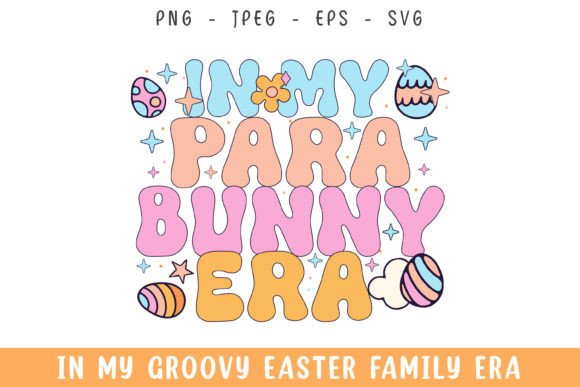
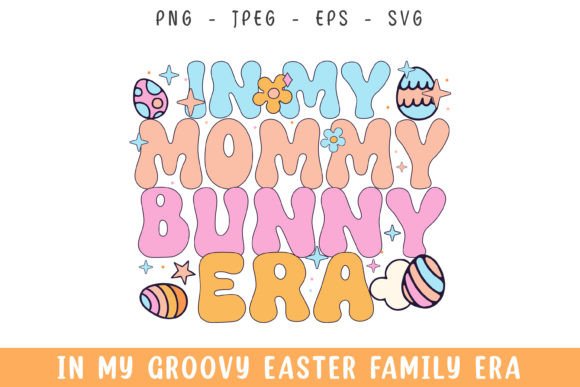
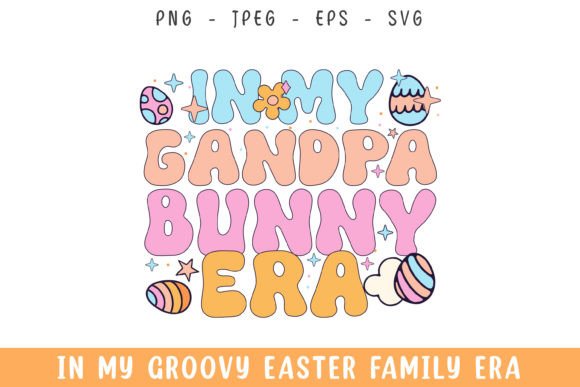
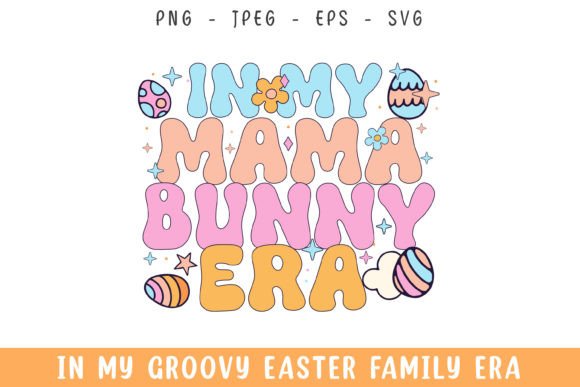
The moment you look at In My Mama Easter Bunny Era Groovy Retro, the mood is undeniably fun. It taps into that specific "groovy era" vibe—think 70s typography, soft curves, and a playful attitude. For an embroidery designer, the layout is the first thing to scrutinize. Does the text compete with the image? Are the negative spaces balanced?
In this case, the design feels cohesive. The retro font choices complement the bunny motif without overwhelming it. This is crucial because embroidery adds texture and bulk; what looks like thin lines on a monitor can become thick, muddy stitches if the spacing isn't right. The visual personality suggests this is perfect for casual, upbeat items. It doesn't feel formal or stiff, which makes it ideal for the handmade product market where authenticity and charm are key selling points.
Real-World Application: From Screen to Stitch
I recently tested a similar concept on a custom embroidered tote bag for a local craft fair booth, and the results were telling. Applying the logic of In My Mama Easter Bunny Era Groovy Retro to that scenario, the design shines on flat surfaces. A canvas tote bag provides a stable base, allowing the fill stitch areas to lay flat and the satin stitches to pop.
However, the potential extends beyond totes. Imagine this as sweatshirt embroidery for a family reunion gift. The retro theme fits perfectly with spring holidays. Or consider it for apron decoration in a kitchen setting, where the humor of the "Mama" theme adds a personal touch. For Etsy sellers, this type of design is gold because it bridges the gap between a simple holiday graphic and a statement piece. It’s not just an Easter bunny; it’s a lifestyle statement that resonates with buyers looking for unique personalized gifts.
The ability to change colors easily, as noted in the product details, is a significant advantage. You can run this through your digitizing software or design tool to swap thread colors before stitching. On a white t-shirt, you might use pastel threads for a soft, traditional look. On a dark shirt, switching to bright neon or metallic threads can make the retro elements vibrate against the background, creating a high-contrast, eye-catching result.
Where Caution Is Required
Not every surface is created equal, and there are places where In My Mama Easter Bunny Era Groovy Retro needs careful handling. If you plan to use this on curved surfaces like baseball caps, be mindful of the distortion. The text must remain legible even when stretched over the curve of a hat. I recommend using a smaller hoop size for caps and ensuring your stabilizer is heavy-duty enough to prevent puckering.
Textured fabrics are another trap. While a chunky knit sweater might seem like a cozy choice for Easter, the texture of the fabric can interfere with the clarity of the design. The stitches may sink into the weave, losing their definition. Similarly, thin or stretchy fabrics require proper backing to maintain structure. Without the right stabilizer, the tension from the machine can distort the garment, ruining the professional finish.
Also, pay attention to small details. If the design includes tiny lettering or intricate decorative accents, test it on scrap fabric first. Embroidery machines have limits on how fine they can stitch. If the detail is too small, it will turn into a blob of thread rather than a crisp shape. Always inspect these areas closely before committing to the final product.
Technical Considerations for Designers
For those of us in the craft business, efficiency and quality go hand in hand. When working with digital embroidery files, checking the stitch density is non-negotiable. High density can cause fabric stiffness, while low density might look sparse and unfinished. Since the source material mentions it is made with specific tools (likely Illustrator or similar vector software), ensure that any conversion to an embroidery format preserves the integrity of the shapes.
Thread color selection plays a huge role in the final appeal. Don't just pick colors randomly; think about the fabric texture and the intended audience. For commercial embroidery projects, consistency is key. If you are producing multiple units, ensure that your thread colors match across all batches. Variations in dye lots can ruin the brand consistency of your shop.
Before listing this as a small shop product, create printable mockups. Seeing the design on different backgrounds helps you visualize how customers will perceive it. Does it stand out? Is it readable? These questions help refine your marketing strategy and ensure that your design assets are presented in the best possible light.
Final Verdict on Usability
In My Mama Easter Bunny Era Groovy Retro is a strong contender for anyone looking to add a touch of nostalgia to their spring collection. Its flexibility allows for creative experimentation with color and placement, making it suitable for a wide range of embroidery projects. Whether you are making holiday embroidery gifts for friends or stocking shelves for the season, this design offers a reliable foundation.
Remember to always test before you sell. Use scrap fabric to check tension, confirm your hoop size accommodates the design dimensions, and verify that the licensing terms allow for commercial use if you intend to sell finished items. By taking these practical steps, you can transform a simple graphic into a high-quality, professional-looking product that customers will love.
In the world of handmade goods, attention to detail is what sets you apart. This design gives you the visual hook; your skill in execution provides the value. Treat it with respect, test it thoroughly, and you’ll find it serves as a versatile addition to your creative toolkit.