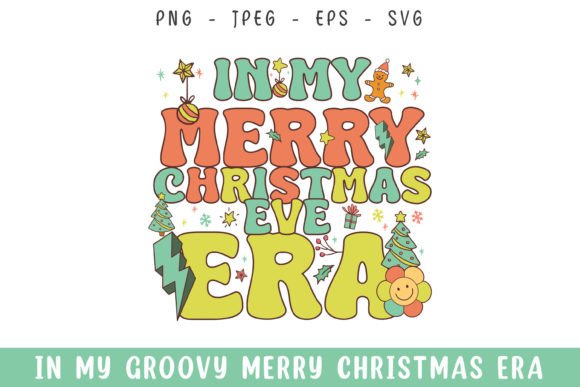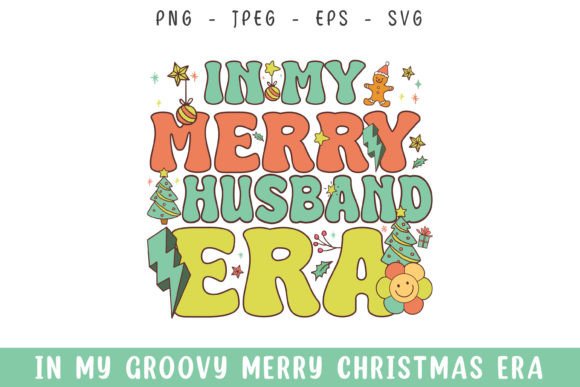
In My Merry Husband Christmas Era Groovy
When I sit down to evaluate a new digital asset for my embroidery studio, I am rarely looking for just another generic holiday graphic. The market is saturated with snowflakes and reindeer. What I am hunting for is personality, versatility, and a design that translates cleanly from screen to fabric without losing its soul. That is exactly why In My Merry Husband Christmas Era Groovy caught my eye. It arrives with a distinct retro vibe, tapping into the popular "In My Era" cultural moment but twisting it through a festive, groovy lens. As an experienced designer, I look at this file and immediately see where it fits in a commercial workflow and where it might trip up a less cautious stitcher.
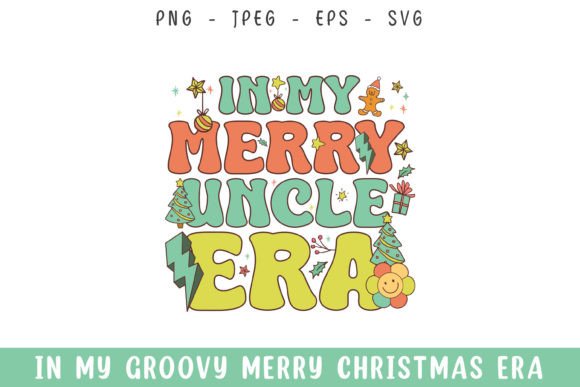
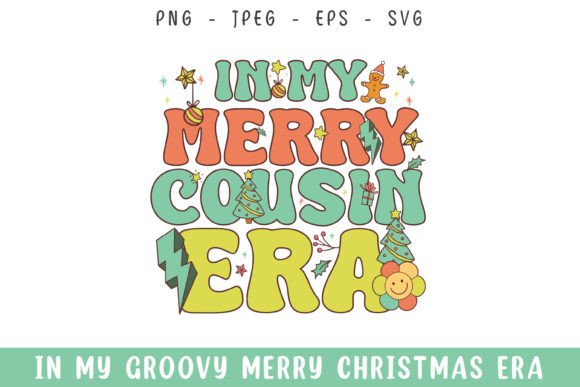
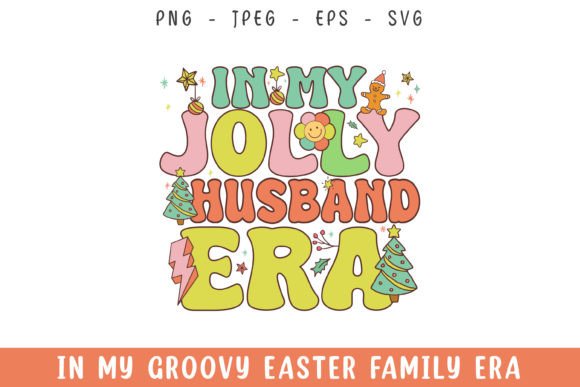
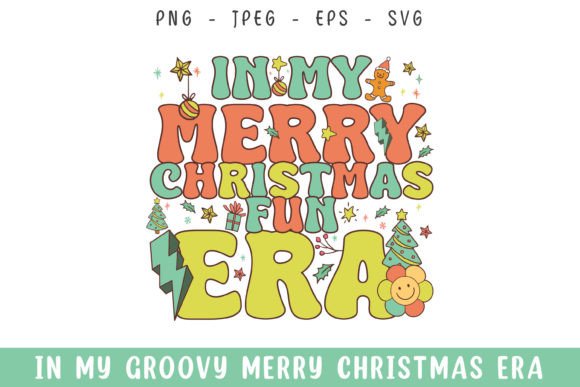
The first impression of In My Merry Husband Christmas Era Groovy is one of playful confidence. The typography-heavy layout suggests a bold statement piece rather than a delicate, subtle accent. This is not a design meant for a tiny chest logo on a dress shirt; it demands space. The visual personality leans heavily into the late-sixties aesthetic—think psychedelic curves, rounded sans-serif fonts, and a sense of fun that feels both nostalgic and current. For the modern crafter or Etsy seller, this is gold because it bridges the gap between traditional holiday cheer and contemporary streetwear trends. It appeals to the buyer who wants their holiday spirit to feel curated and cool, not just customary.
Real-World Application: From Screen to Stitch
I recently tested the potential of In My Merry Husband Christmas Era Groovy on a heavy-weight cotton canvas tote bag intended for a boutique holiday pop-up. The goal was to create a reusable gift bag that doubled as merchandise. The description notes that this is a possible and easy change color for a dark background, which is a critical feature for us working in the apparel space. Dark fabrics are tricky; they require high contrast to maintain legibility.
By swapping the thread colors to bright, saturated hues against the dark canvas, the groovy lines popped with incredible clarity. The design’s thick strokes and open negative space worked in our favor here. It looked like a high-end brand collaboration rather than a quick craft fair hack. However, I also considered how this would perform on softer substrates. Imagine this on a fleece sweatshirt or a cozy knit beanie. The textural contrast between the soft fabric and the crisp, retro lettering creates a tactile experience that customers love. It transforms a simple garment into a personalized gift that feels intentional.
For small business owners, this design opens up several revenue streams. It is perfect for matching family sets during the holidays—a mom in a "Merry Christmas" era top and the dad rocking In My Merry Husband Christmas Era Groovy. The coordination factor drives sales. Furthermore, its adaptability makes it suitable for nursery decor or baby onesies if scaled appropriately, though care must be taken with sizing. The design assets serve well as printable mockups for digital product previews, allowing sellers to showcase the vibe before committing to physical production.
Technical Considerations and Stitch Behavior
As we move from concept to execution, the technical aspects of In My Merry Husband Christmas Era Groovy come into play. When digitizing or preparing this machine embroidery design, the stitch density becomes a primary concern. Designs with large fill areas can become stiff and bulky if over-stitched. I recommend reviewing the stitch density carefully, particularly in the curved sections of the groovy lettering. If the density is too high, the fabric may pucker, ruining the clean lines that make this design so appealing.
Stabilizer selection is equally vital. Because this design likely utilizes a mix of satin stitch for outlines and fill stitch for the body of the letters, it requires a stable foundation. A cut-away stabilizer is often best for garments that will undergo frequent washing, ensuring the integrity of the embroidery remains intact. For temporary items like tea towels or lightweight tote bags, a tear-away might suffice, but testing on scrap fabric first is non-negotiable. You need to see how the threads interact with the specific weave of your chosen material.
Thread colors play a massive role in the success of this project. The description highlights the ease of changing colors for dark backgrounds, which speaks to the importance of contrast. On light fabrics, you might opt for classic reds and greens, but on darker tones, consider metallics, neons, or crisp whites to ensure the groovy details don’t get lost. Always test your thread choices in black and white mockups to verify that the value contrast is sufficient for readability.
Navigating Tricky Substrates
Not every surface is created equal, and In My Merry Husband Christmas Era Groovy has limitations. Avoid placing this design on stretchy fabrics without proper stabilization, as the tension can distort the retro curves. Curved surfaces, such as caps or hats, present another challenge. While the design could work on the front panel of a structured cap, the curvature might warp the text if the hoop size is not managed correctly. Small hoop sizes are generally unsuitable for this level of detail; you need enough room to execute the running stitch and decorative accents without crowding.
Additionally, be cautious with textured fabrics like bouclé or heavy wools. The needle penetration required for the fill stitches may struggle to penetrate evenly, leading to skipped stitches or uneven coverage. Thin fabrics are also risky unless reinforced with a strong stabilizer, as the weight of the embroidery can cause sagging over time.
Brand Consistency and Customer Trust
From a branding perspective, using In My Merry Husband Christmas Era Groovy signals that you understand current trends while respecting traditional craftsmanship. It elevates the perceived value of your handmade products. When a customer sees a well-executed, trendy design on a custom apparel item, they trust the maker’s eye. This trust translates to repeat business and positive reviews.
However, professionalism extends beyond the final look. It includes transparency about licensing. Before selling finished items or digital products derived from this file, confirm the license terms. Ensure you have the right to use the design for commercial purposes. This protects your small shop product line and maintains ethical standards in the craft business. Similarly, check whether the design works for both personal and commercial projects within the scope of your agreement.
Final Verdict for the Creative Entrepreneur
In My Merry Husband Christmas Era Groovy is a versatile, high-potential addition to any embroiderer’s library. It offers a fresh take on holiday themes that resonates with modern buyers. Its strength lies in its boldness and adaptability, making it ideal for tote bag designs, sweatshirt embroidery, and personalized gifts. By paying attention to stitch density, stabilizer choice, and thread contrast, you can avoid common pitfalls and produce a finished product that stands out.
For the hobbyist, it is a fun way to add personality to holiday decorations. For the Etsy seller, it is a strategic asset that can drive seasonal sales. Just remember to inspect small details closely during your test runs and always prioritize quality control. When executed well, this design does more than just decorate; it tells a story of fun, family, and festive style. That is the kind of emotional connection that turns a simple embroidery project into a beloved keepsake.