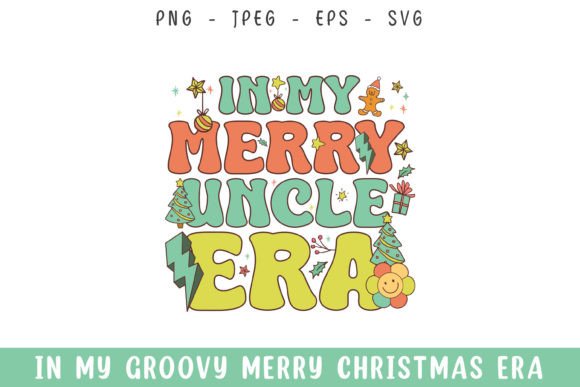
In My Merry Uncle Christmas Era Groovy Review
As a designer who spends half my life staring at stitch charts and the other half worrying about thread tension, I don’t just look at an embroidery file; I look at how it will survive the real world. When In My Merry Uncle Christmas Era Groovy landed on my desk for evaluation, I wasn’t looking for another generic holiday clipart. I was looking for a design that could hold its own in a crowded marketplace, specifically one that bridges the gap between retro nostalgia and modern craft trends. This piece, with its distinct "In My Era" vibe mixed with classic Christmas cheer, offers a fascinating case study for anyone running a small shop or preparing personalized gifts.
The First Impression: Mood and Visual Personality
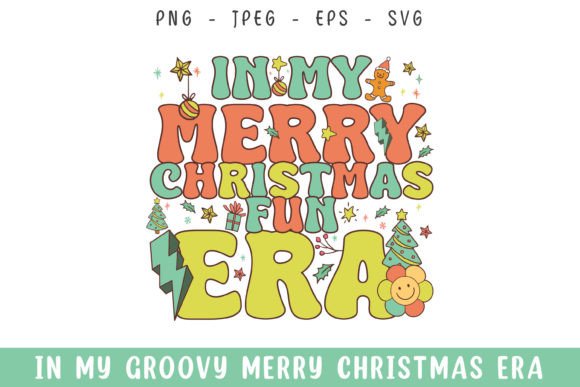
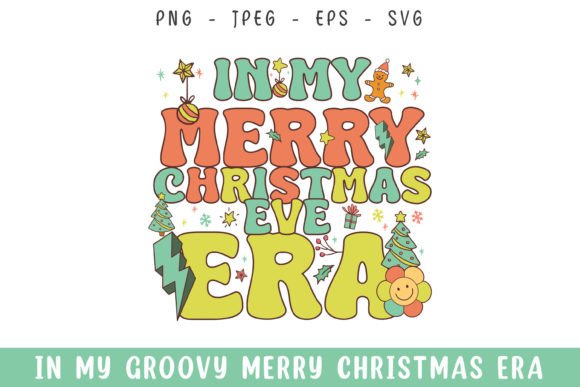
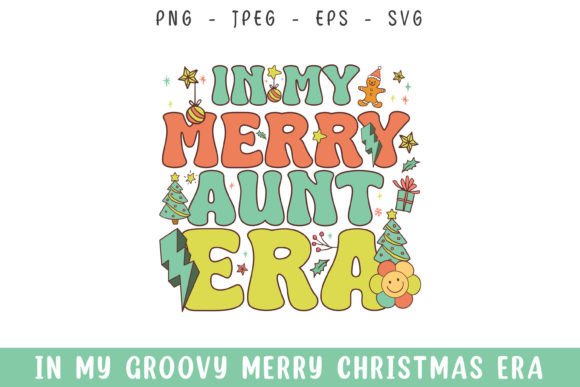
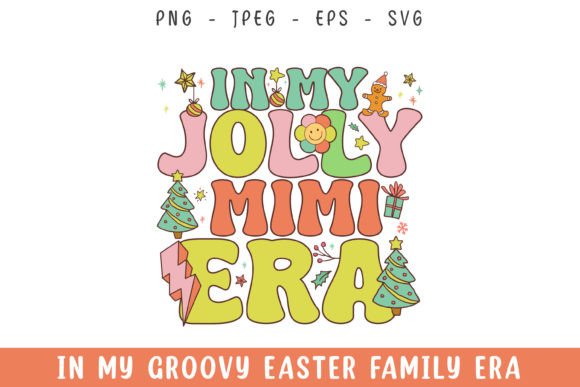
The immediate takeaway from In My Merry Uncle Christmas Era Groovy is its confident attitude. The phrase itself plays on the popular "In My [X] Era" cultural moment, but it twists it into something warm and familial. It isn’t trying to be edgy; it’s trying to be cozy. The typography suggests a groovy, retro aesthetic—think 1970s warmth meets holiday spirit. For an embroidery designer, this visual personality is crucial because it dictates where the design can live. It doesn’t belong on a minimalist corporate tote; it belongs on a chunky knit sweatshirt, a vintage-style canvas bag, or a rustic wooden sign backdrop.
The layout feels balanced, likely utilizing a curved or arched text structure common in retro designs. This curvature is essential for apparel decoration, as it follows the natural drape of fabric across the chest or back. The mood created is one of playful nostalgia. It signals to the wearer that they are part of a fun, lighthearted family tradition. For an Etsy seller or boutique owner, this emotional resonance is often more valuable than technical perfection alone. Customers buy the feeling of belonging to a "groovy" family era just as much as they buy the physical item.
Real-World Application: Where Does It Fit?
I spent some time mentally mapping out where In My Merry Uncle Christmas Era Groovy would shine in a production run. The most obvious application is custom apparel. Imagine this design embroidered on a heather grey or cream-colored crewneck sweatshirt. The retro font would pop against the soft texture of the fleece, creating a high-end, boutique look. It works equally well on heavy cotton t-shirts for holiday parties or family gatherings.
Beyond clothing, this design has strong potential in the home goods category. A tea towel featuring this groovy Christmas message adds a touch of humor to the kitchen, while a pillow cover could serve as a festive accent in a living room. For those selling digital assets or printable mockups, this design offers versatility. It can be easily adapted for various products, from baby onesies (where the "Uncle" aspect might need tweaking to "Auntie" or "Baby") to adult aprons for holiday baking sessions.
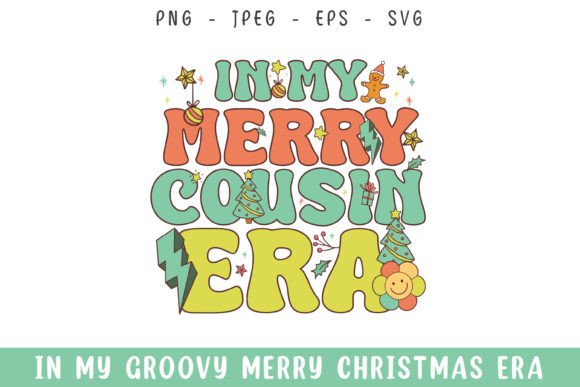
Consider the scenario of a client requesting a set of matching gifts for their extended family. In My Merry Uncle Christmas Era Groovy allows for personalization. You could create a series where each shirt targets a different family role—"In My Merry Aunt Era," "In My Merry Cousin Era," etc. This scalability makes it a valuable asset for a craft business looking to offer cohesive product lines during the peak holiday season. The design’s simplicity ensures it remains readable even when scaled down slightly for smaller items like caps or patches.
Technical Considerations and Stitching Performance
From a technical standpoint, any machine embroidery design must be evaluated for stitch density and detail. While the specific file formats and stitch counts should always be verified by the user before production, the visual complexity of In My Merry Uncle Christmas Era Groovy suggests a reliance on bold shapes rather than intricate micro-details. This is generally a good thing for embroidery. Intricate details often get lost in the fabric or require excessive digitizing time, whereas bold, clean lines translate beautifully through satin stitch and fill stitch techniques.
One critical factor mentioned in the product description is the ability to change colors for dark fabrics. This is a vital feature for commercial embroidery. Dark backgrounds require lighter thread colors to maintain contrast, and vice versa. If the design allows for easy color swapping, it significantly increases its utility. An embroiderer needs to ensure that the chosen thread colors provide enough contrast against the fabric texture. For example, using a bright white or gold thread on a dark navy sweatshirt will make the groovy text stand out sharply, enhancing the retro aesthetic.
However, designers must be cautious with hoop size limitations. If the design includes large areas of dense fill stitch, testing on scrap fabric is non-negotiable. Dense stitching can cause puckering, especially on lightweight or stretchy fabrics. Using the proper stabilizer—cut-away for knits and tear-away for wovens—is essential to maintain the integrity of the design. Additionally, inspecting the corners of the lettering in the digital preview helps anticipate potential issues with satin stitch alignment, ensuring that the final product looks professional and not jagged.
Where to Exercise Caution
While In My Merry Uncle Christmas Era Groovy is versatile, it is not suitable for every surface. Small hoop sizes may crop the design awkwardly, so always check the dimensions before hooping. Textured fabrics, such as terry cloth or heavy boucle, can obscure fine details, making the text harder to read. Similarly, highly stretchy materials like spandex blends require careful stabilization to prevent distortion during stitching. Curved surfaces, like baseball caps, also pose challenges; if the design is too wide or complex, it may not lay flat against the curve, leading to an uneven finish.
Impact on Brand and Customer Trust
In the world of handmade products and small shop merchandise, presentation is everything. A well-executed embroidery project communicates quality and attention to detail. When a customer receives a finished product featuring In My Merry Uncle Christmas Era Groovy, they are buying into the idea of a curated, thoughtful gift. The design’s retro charm aligns with current trends in nostalgic marketing, which can boost engagement and sales.
For digital product sellers, providing high-quality mockups that showcase the design on various garments and accessories helps buyers visualize the end result. Clear, realistic previews build trust and reduce return rates. Furthermore, confirming licensing terms before selling finished items is crucial for maintaining professionalism and avoiding legal issues. A clear understanding of commercial use rights allows entrepreneurs to scale their operations with confidence.
Final Verdict for Designers and Makers
In My Merry Uncle Christmas Era Groovy is a strong contender for the holiday season. It combines trendy language with timeless festive imagery, making it appealing to a broad audience. Its adaptability across different product types—from apparel to home decor—makes it a practical choice for craft businesses looking to maximize their inventory variety. By paying attention to technical details like stitch density, fabric compatibility, and color contrast, designers can bring this design to life in a way that resonates with customers.
Before adding this to your library, remember to test it thoroughly. Check the thread colors against your target fabrics, review the stitch density for potential puckering, and confirm that the design fits your intended hoop size. With proper preparation, In My Merry Uncle Christmas Era Groovy can become a standout piece in your collection, driving sales and delighting customers who appreciate the blend of retro style and holiday warmth. Whether you are an experienced embroiderer or a hobbyist maker, this design offers a solid foundation for creating memorable, personalized gifts that capture the spirit of the season.