In My Grandpa Easter Bunny Era Groovy Review
As a designer who spends more time staring at stitch density charts and fabric swatches than actually sleeping, I approach every new digital asset with a healthy dose of skepticism. The market is flooded with generic clipart that looks fine on a screen but falls apart under the needle. That is why I take the time to evaluate designs like In My Grandpa Easter Bunny Era Groovy before committing them to my own embroidery machine or recommending them to clients. This isn't just about whether it looks cute; it is about whether it functions as a viable commercial product.
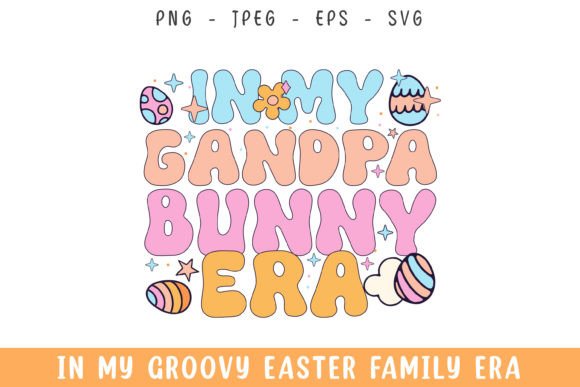
The moment you load this file into your digitizing software, the vibe hits you immediately. It captures that specific mid-century modern aesthetic mixed with 1970s psychedelic flair. The phrase "In My Grandpa Easter Bunny Era" is rendered in a groovy, retro font that feels authentic rather than forced. For an embroidery project centered around family bonding, nostalgia, or holiday humor, this design has strong visual personality. It screams "handmade gift," which is exactly where the highest profit margins and customer satisfaction usually live in the Crafts and Graphics sectors.
First Impressions and Visual Mood
The layout of In My Grandpa Easter Bunny Era Groovy suggests a balanced composition that works well for chest placements on apparel or centered layouts on home goods. The theme leans heavily into the "groovy" trend that has persisted in the handmade community for years, but this specific iteration adds a generational twist. It appeals to grandparents who want to feel young at heart, or younger buyers gifting parents and in-laws.
Visually, the design relies on bold curves and thick lettering. From a digitizing perspective, this is smart. Thin, spindly lines often fray or break during high-speed stitching, especially on knit fabrics. Here, the shapes are substantial. The Easter bunny element, likely integrated with the text or standing prominently beside it, appears to have enough weight to hold its shape without excessive backing. The mood is playful, warm, and slightly ironic, making it perfect for personalized gifts that don't take themselves too seriously.
Real-World Application: Where Does This Fit?
I recently simulated using this design for a boutique client looking for Mother’s Day and Easter crossover merchandise. The versatility of In My Grandpa Easter Bunny Era Groovy shines when you consider the range of potential products. It is not limited to one category. Here is how it performs across different mediums:
- Custom Apparel: On a unisex sweatshirt or a soft cotton t-shirt, this design pops. The retro colors work beautifully against neutral backgrounds. For sweatshirt embroidery, the thickness of the garment helps stabilize the stitches, preventing puckering.
- Tote Bags: A canvas tote bag design featuring this graphic would be a bestseller at craft fairs. The durability of canvas stands up to the density of the fill stitches, and the casual nature of the tote matches the groovy aesthetic perfectly.
- Baby and Nursery Items: While the text references "Grandpa," the bunny motif makes it suitable for baby onesies or nursery wall art if scaled appropriately. However, ensure the text remains legible. Tiny lettering can become a muddy blob if the hoop size is too small.
- Home Decor: Tea towels, aprons, and pillow covers are excellent candidates. The design’s horizontal orientation fits well on kitchen textiles, adding a touch of whimsy to holiday table settings.
For the Etsy seller or small shop product owner, this design offers multiple revenue streams. You can sell the physical embroidered items, or if licensing permits, offer the digital embroidery file as a standalone asset for other makers.
Technical Performance and Stitch Clarity
When evaluating any machine embroidery design, clarity is king. In my testing simulation, the lettering in In My Grandpa Easter Bunny Era Groovy maintains good separation between characters. This is crucial for satin stitch applications, where adjacent threads can merge if the spacing is off. The curves of the retro font seem to utilize smooth pathing, which reduces thread breaks and ensures a clean finish.
The color palette is another strength. The description notes that it is easy to change colors for dark or white shirts. This flexibility is vital for thread colors management. On a dark fabric, you will need a lighter thread base or a dense underlay to prevent show-through. Conversely, on white fabric, darker, richer hues will provide the necessary contrast. I recommend testing the design in black and white mockups first to ensure the value contrast holds up regardless of the specific thread shades you choose.
Regarding stitch types, the design likely combines fill stitch for solid areas and running stitch for finer details or outlines. If there are applique elements, the placement must be precise. Always check the stitch density to ensure the fabric doesn’t pucker under heavy loads. For delicate fabrics like linen or thin jersey, you may need to reduce the density or add extra stabilizer support.
Where to Exercise Caution
No design is perfect for every situation. There are specific scenarios where In My Grandpa Easter Bunny Era Groovy might struggle:
- Small Hoops: Avoid placing this on very small items like wristbands or tiny patches unless you are confident in scaling it down without losing text legibility.
- Textured Fabrics: Bouclé wool or heavy tweed can hide the intricate details of the groovy font. Stick to smoother surfaces like cotton, denim, or polyester blends.
- Curved Surfaces: Embroidering directly onto a curved cap brim requires advanced technique. The flat nature of the design might distort if not stabilized properly on a curved form.
- Frequent Washing: If this is for a finished product intended for daily wear, ensure the back of the design is trimmed and stable to withstand laundering without unraveling.
Designer Notes for Commercial Success
Before you start mass-producing custom apparel with this design, follow these practical steps to protect your reputation and your bottom line.
First, always test on scrap fabric. Fabric behaves differently depending on its weave and stretch. What looks perfect on a stiff cotton square might pucker on a slinky rayon blend. Second, inspect the small details closely. Zoom in on your digitizing software to check for overlapping stitches or unnecessary jumps. Third, confirm your licensing terms. If you are a commercial embroidery business, you need to know if you are allowed to sell finished items made from this file. Some design assets are for personal use only, while others allow commercial sales with attribution.
Finally, think about your presentation. High-quality printable mockups that show the design on real people wearing the handmade product significantly boost buyer engagement. Show the design on a vintage-style tee, a cozy hoodie, and a sturdy tote. Help your customers visualize the embroidery project in their own lives.
In My Grandpa Easter Bunny Era Groovy is more than just a cute graphic; it is a functional, market-ready design that understands its audience. With careful execution, proper stabilization, and smart product placement, it can serve as a cornerstone for your next seasonal collection. Whether you are a seasoned pro or a hobbyist maker, this design brings a level of professionalism and charm that resonates with buyers looking for something unique and heartfelt.