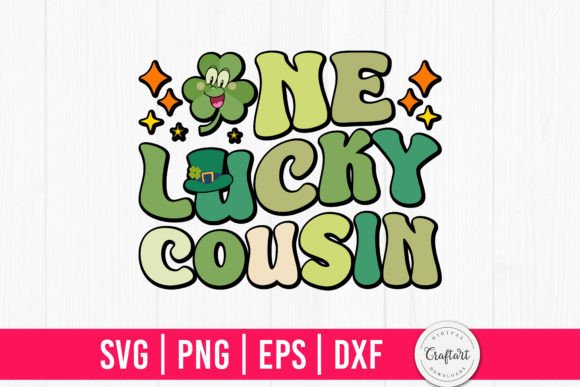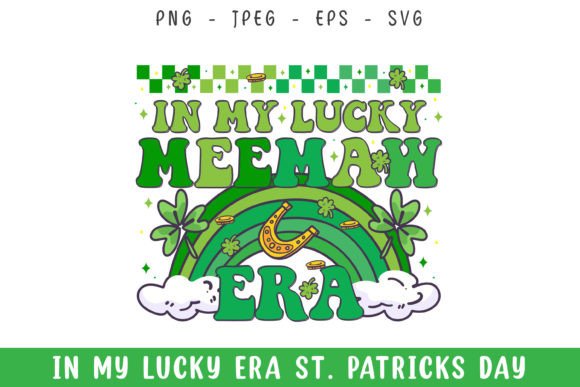
In My Lucky Cousin Era St.Patrick s Day
As a designer who spends half her life staring at hooped fabric and the other half troubleshooting tension issues, I don’t just look at an embroidery file; I look at its potential. When In My Lucky Cousin Era St.Patrick s Day landed on my desk for review, I didn’t see just another holiday graphic. I saw a specific mood, a very particular aesthetic that is currently dominating the handmade market, and a practical challenge for any embroiderer trying to execute it well.
This design taps into the "retro era" trend—think groovy fonts, hippie vibes, and nostalgic charm—but with a twist that makes it personal rather than generic. It’s not just about luck; it’s about family connection within that lucky framework. For those of us selling on Etsy or running small boutique shops, this distinction matters. It transforms a simple holiday item into a personalized gift that feels intentional.
The First Impression: Mood and Visual Personality
The moment you load the file, the visual personality jumps out. The typography in In My Lucky Cousin Era St.Patrick s Day screams 1960s ease mixed with modern minimalism. It’s playful but legible. In machine embroidery, legibility is king. If the customer can’t read it instantly, the value drops. This design gets points for clarity. The curves are smooth, suggesting a happy satin stitch path, while the supporting elements likely utilize fill stitches that promise a rich, textured finish.
What strikes me most is the versatility of the theme. It bridges the gap between a fun party shirt and a sentimental keepsake. It works as a custom apparel statement piece, but it also has the subtlety required for a high-end personalized gift. The retro groovy aesthetic is timeless enough to remain relevant past March 17th, which is a huge plus for inventory planning. You aren’t left with dead stock in April; you have a cool vintage-style piece that stands on its own merit.
Real-World Application: Where This Design Shines
I recently imagined using this design for a batch of custom embroidered tote bags for a local craft fair. The concept was simple: sturdy canvas totes featuring In My Lucky Cousin Era St.Patrick s Day centered on the front pocket area. Here is why that scenario works so well:
- Fabric Texture Compatibility: Canvas provides a stable surface that handles the density of the design beautifully. The retro lines pop against the natural beige or black canvas without getting lost in the weave.
- Giftability: A tote bag is a functional item. Giving someone a bag that says they are in their "lucky cousin era" is charming, humorous, and useful. It encourages social sharing, which is gold for Etsy sellers and craft business owners.
- Brand Consistency: If your shop focuses on family-oriented, vintage-inspired goods, this design fits seamlessly into your design assets library.
Beyond totes, I see this performing exceptionally well on sweatshirt embroidery. Think heavyweight cotton blends in forest green or heather grey. The contrast between the soft fleece and the crisp satin stitching creates a tactile experience that customers love. It also translates well to aprons for the home baker who wants to add a touch of whimsy to their kitchen routine. As a kitchen towel design, it offers a quick, affordable entry point for buyers who want to participate in the holiday without committing to a full garment.
Technical Considerations and Stitch Clarity
However, not every application is created equal. When evaluating In My Lucky Cousin Era St.Patrick s Day, we have to talk about execution. The retro style often relies on thin, elegant lines. In embroidery, thin lines require precise digitizing. If the stitch density is too low, the thread might show gaps. If it’s too high, the fabric might pucker.
I strongly advise testing this design on scrap fabric before running a production batch. Pay close attention to the corners of the letters. Are they sharp? Do they hold their shape, or do they collapse under the weight of adjacent stitches? Also, consider the hoop size. If you are attempting this on a caps or curved surfaces, ensure the design scales down correctly without losing detail. Tiny lettering can become illegible blob when reduced for smaller hoops.
Another critical factor is thread color contrast. The description notes that this is easy to change for dark or white shirts. This is crucial. On a white t-shirt, you will need bright, saturated threads to make the design visible. On a dark sweatshirt, you might opt for metallic or pastel threads to keep that groovy, dreamy vibe. Always test your thread colors against your actual fabric choice. Digital mockups lie; real light hitting real thread tells the truth.
Where to Use With Caution
While versatile, there are areas where this design needs careful handling:
- Small Hoop Sizes: Avoid placing this on items that require tiny hoops unless you are confident in the resolution. Fine details may get lost.
- Stretchy Fabrics: Jersey knits can distort if the stabilizer isn’t chosen correctly. Use a cut-away stabilizer for best results to prevent warping over time.
- Dense Stitch Areas: If the design includes heavy fill sections, avoid applying it to thin fabrics like silk or lightweight rayon, as the weight of the thread may cause the fabric to sag.
- Frequent Washing: For items like baby clothes or tea towels that go through the wash often, ensure the design uses secure anchoring stitches. Loose ends fray quickly in high-traffic laundry cycles.
Impact on Product Value and Customer Trust
Quality execution directly impacts customer trust. A poorly stitched embroidery project looks cheap, regardless of how cute the design is. But a clean, professional finish elevates the perceived value. When a buyer sees In My Lucky Cousin Era St.Patrick s Day stitched perfectly on a high-quality hoodie, they perceive the brand as premium. They are willing to pay more because the craftsmanship is evident.
Furthermore, this design supports commercial embroidery opportunities effectively. It appeals to a broad demographic—from young adults loving the retro trend to older relatives buying gifts for their "lucky" cousins. By offering this as part of a collection, you create cross-selling opportunities. Sell the matching parent and child tees, or coordinate the tote with a pillow cover. The cohesive look builds a stronger handmade product identity.
Final Verdict for the Creative Entrepreneur
In My Lucky Cousin Era St.Patrick s Day is more than just a festive graphic; it is a strategic addition to any embroiderer’s toolkit. It balances trendiness with sentimentality, making it highly marketable. It works beautifully for holiday gifts, wedding gifts (for a quirky touch), and everyday custom apparel.
Before you hit the start button, remember the basics: check your license terms if you plan to sell finished items. Confirm whether the digital file allows for commercial use. Test your stabilizer. Inspect your needle condition. And always, always run a test stitch-out.
If you execute it with care, this design will not only look great—it will feel like a celebration. It captures the joy of family and the fun of the season in a way that resonates with modern buyers. For the small shop owner looking to capitalize on St. Patrick’s Day without sacrificing quality or style, this is a smart, stylish choice.