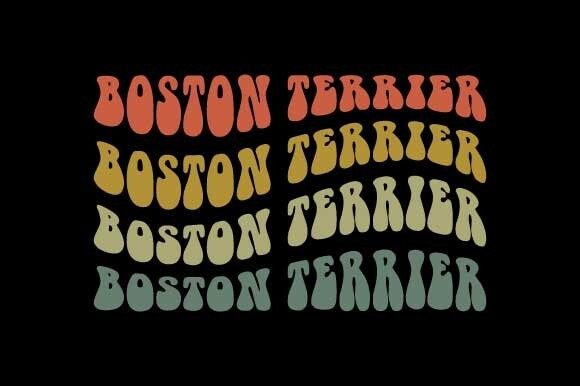
Retro Boston Terrier SVG Review
As a designer who spends more time than I care to admit staring at stitch patterns and fabric swatches, I have learned that not every digital file translates well into physical reality. There is a distinct gap between how a vector looks on a screen and how it behaves under the needle of an embroidery machine. Today, I am putting Retro Boston Terrier SVG through its paces—not just as a cute graphic, but as a viable asset for real-world projects, small business inventory, and personalized gifts.
This isn't just another generic dog silhouette. The "retro" aspect implies a specific aesthetic: bold lines, simplified shapes, and a nostalgic charm that resonates with current trends in handmade goods. But does it hold up when you are trying to produce a batch of custom apparel or a high-end boutique item? Let’s dive into the practicalities.
First Impressions and Visual Personality
The immediate appeal of this design lies in its simplicity. In the world of machine embroidery, complexity can often be the enemy of clarity. Too many tiny details can result in thread breaks, puckering, or a muddy final look. Retro Boston Terrier SVG leans into clean geometry. It feels confident. The mood is playful yet polished, making it suitable for a wide range of demographics, from children to adults who appreciate mid-century modern vibes.
Visually, the design suggests a strong potential for applique work or dense fill stitches. The contrast inherent in a Boston Terrier’s coloring—black and white—lends itself naturally to color-blocking techniques. Whether you are using solid white fabric with black thread or vice versa, the visual impact remains sharp. This is crucial for embroidery designers looking to create pieces that stand out on social media platforms like Instagram or Pinterest, where crisp imagery drives engagement.
Real-World Application: From Screen to Stitch
Let’s imagine a practical scenario. You are preparing for a local craft fair or updating your Etsy shop for the holiday season. You need a product that is quick to produce but feels premium. A custom embroidered tote bag comes to mind. Using Retro Boston Terrier SVG here is a smart move. The sturdy canvas of a tote bag provides a stable surface, allowing the design to shine without distortion.
However, the versatility extends beyond bags. Consider sweatshirt embroidery. A retro dog motif on a heavyweight cotton blend hoodie taps into the cozy, casual fashion trend. The design’s boldness ensures it doesn’t get lost against the texture of the fleece. Similarly, for baby embroidery, such as on muslin blankets or onesies, the soft, rounded feel of a retro style is gentle and appealing to new parents. It avoids the overly realistic or intense look of some animal portraits, favoring charm over realism.
For commercial embroidery projects, such as branded merchandise for a pet store or a local bakery, this design offers professional recognition. It is distinctive enough to be memorable but universal enough to appeal to anyone who loves dogs. When used on aprons or kitchen towels, it adds a touch of personality to functional items, increasing their perceived value as personalized gifts.
Technical Considerations and Potential Pitfalls
While the design is promising, no embroidery project is without its challenges. As an experienced reviewer, I must highlight areas where caution is necessary. First, consider the stitch density. If the design relies heavily on dense fills, it may become stiff or bulky, especially on delicate fabrics. Always test the design on scrap fabric first to assess the hand-feel of the finished piece.
Fabric choice is paramount. Retro Boston Terrier SVG will perform beautifully on stable, woven fabrics like cotton, denim, or canvas. However, use care with stretchy fabric or thin materials. Without proper stabilization, these fabrics can pucker, distorting the clean lines of the retro aesthetic. For stretchy knits, a cut-away stabilizer is essential to maintain integrity during washing and wear.
Another critical factor is hoop size. Ensure that the design fits comfortably within your machine’s hoop dimensions while leaving adequate margin for handling. Attempting to embroider a large design on a small hoop requires hooping and re-hooping, which increases the risk of misalignment and visible jump stitches. Check your hoop size compatibility before committing to a large production run.
Color contrast is also a key element. The black-and-white theme works best when the thread colors starkly contrast with the base fabric. On dark fabrics, white outlines might get lost if the stitch width is too narrow. Conversely, on light fabrics, black threads can sometimes appear harsh if not balanced with softer accent colors. Experiment with thread colors to find the perfect balance for your specific brand palette.
Where to Use Carefully
- Small Hoop Sizes: Avoid attempting this design on very small accessories like jewelry tags or tiny hair clips unless the file is specifically scaled down and simplified.
- Textured Fabrics: Bouclé or heavy tweed can obscure fine details. Stick to smoother surfaces for the best results.
- Curved Surfaces: While caps and hats are popular canvases, ensure the design is curved appropriately to match the hat’s shape. Flat designs on curved surfaces can look distorted.
- Dense Stitch Areas: If the design includes large solid blocks of stitching, verify that the fabric can support the weight without sagging.
Impact on Brand and Customer Trust
In the competitive landscape of craft business and Etsy seller markets, presentation is everything. A well-executed embroidery project signals professionalism and attention to detail. When customers see a clean, precise Retro Boston Terrier SVG on a finished product, it builds trust. It suggests that the maker cares about quality, not just speed.
This design enhances brand consistency by offering a recognizable, repeatable motif. It can serve as a signature element across various products, from pillow covers to custom apparel. Furthermore, its nostalgic appeal triggers emotional connections, making it highly giftable. Customers are more likely to purchase and share items that evoke positive memories or feelings, boosting buyer engagement and word-of-mouth marketing.
Practical Designer Notes
Before adding this to your production queue, keep these tips in mind:
- Test First: Always run a test stitch on the actual fabric you plan to use. Check for tension issues and thread breakage.
- Check Licensing: Confirm whether the digital embroidery file allows for commercial use. Some files are for personal use only, which limits your ability to sell finished products.
- Use Proper Stabilizer: Match your stabilizer to the fabric type. Tear-away for wovens, cut-away for knits and heavy garments.
- Review in Black and White: Convert your mockup to grayscale to ensure the design has sufficient contrast and readability without relying on color alone.
- Inspect Small Details: Zoom in on the original file. Are there any tiny elements that might disappear after stitching? Simplify if necessary.
Ultimately, Retro Boston Terrier SVG is a strong contender for designers looking to add a touch of vintage charm to their portfolio. Its clean lines and versatile theme make it suitable for a wide array of applications, from holiday embroidery projects to everyday handmade products. By paying attention to technical details like fabric choice and stitch density, you can transform this digital asset into a stunning physical creation that delights customers and elevates your brand.
Whether you are a seasoned pro or a hobbyist exploring graphics and crafts, this design offers a reliable foundation for creativity. Just remember, the magic happens in the execution. Take your time, test thoroughly, and let the quality of your work speak for itself.