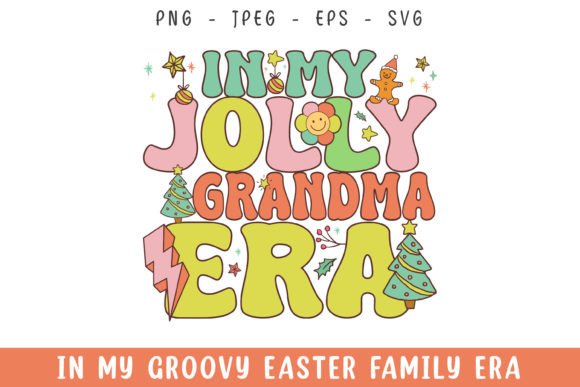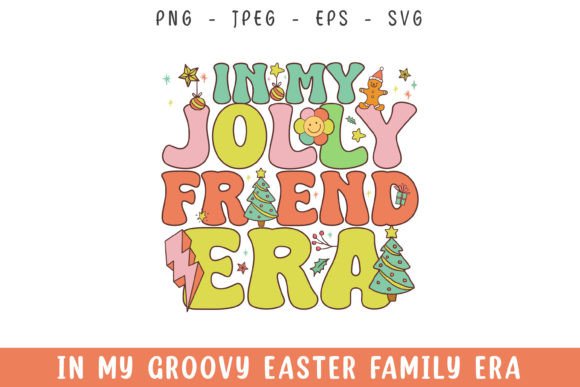
In My Jolly Friend Christmas Era Groovy Review
As a designer who spends more time looking at stitch density charts than actual holiday movies, I approach every new digital asset with a healthy dose of skepticism. The market is flooded with generic clip art masquerading as professional embroidery files, and it takes very little to ruin a otherwise beautiful handmade product with poor digitizing or lazy design choices. That is why I took In My Jolly Friend Christmas Era Groovy for a serious spin. I didn’t just look at the preview image; I thought through how this would translate from a screen to fabric, specifically for my own small business clients and personal craft projects.
The First Impression: Mood and Visual Personality
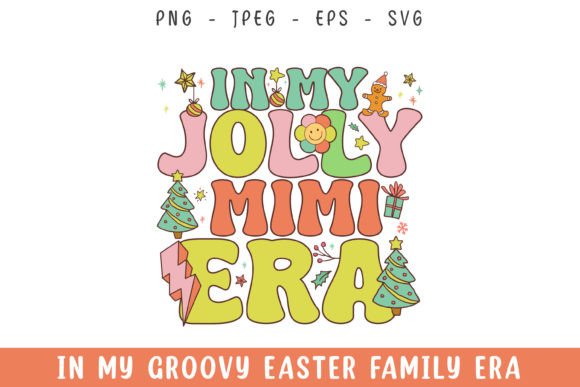
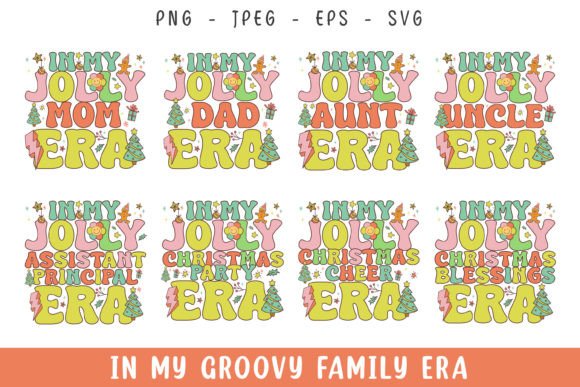
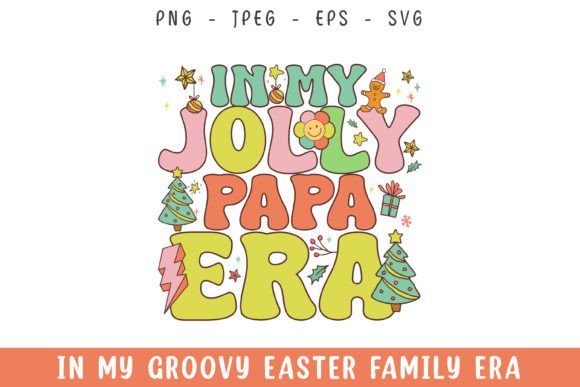
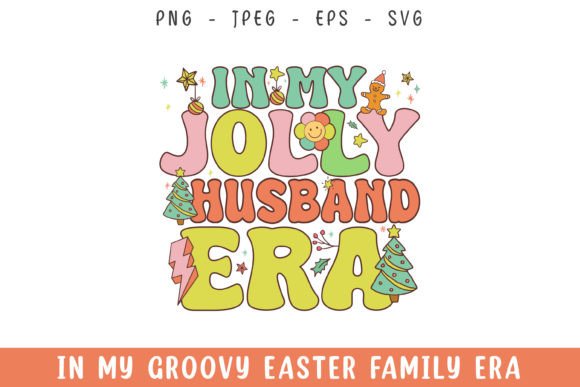
When you first load up In My Jolly Friend Christmas Era Groovy, the immediate takeaway is its distinct retro vibe. It isn’t trying to be a traditional, stiff Victorian Christmas scene. Instead, it leans heavily into that "groovy" aesthetic—think warm earth tones, rounded typography, and a playful, hippie-inspired charm. For an embroidery designer, this visual personality is a double-edged sword. On one hand, it stands out in a sea of red and green monotony. On the other hand, the specific curves and lettering styles require careful consideration regarding stitch paths.
The design feels like it belongs in a modern boutique rather than a mass-produced big-box store item. It has a warmth that resonates well with the current trend toward nostalgic, cozy home decor. When I imagine this on a product, it doesn’t feel like a quick gift; it feels like a curated piece. This mood translates directly to perceived value. Customers are willing to pay a premium for items that feel intentional and stylistically coherent, and this design delivers on that front.
Real-World Application: From Screen to Stitch
I decided to test the practical viability of In My Jolly Friend Christmas Era Groovy by imagining it on three distinct types of products: a custom sweatshirt, a baby onesie, and a kitchen towel. Each of these fabrics behaves differently, and a good design must adapt to those constraints.
For the sweatshirt embroidery project, this design shines. The groovy theme pairs perfectly with heathered greys, mustard yellows, or deep burgundies. The relaxed nature of the graphic works well on the chest area or as a larger back print. Because the design allows for easy color changes, you can swap the standard red and green for a monochromatic palette that appeals to minimalist buyers. However, you must ensure the thread colors have enough contrast against the fabric texture. A light yellow thread on a cream sweatshirt will disappear, ruining the visual impact.
On baby embroidery items, such as muslin blankets or booties, the softness of the lines is an advantage. There are no sharp, aggressive angles that might look harsh on delicate skin or infant clothing. The "Jolly Friend" aspect adds a touch of whimsy that parents love. Yet, here we must be cautious about scale. If the design is too large, it may overwhelm the small canvas of a baby item. If it is too small, the intricate details of the retro font may get lost in the stitching.
For a kitchen towel or tea towel, this design serves as excellent holiday decor. The groovy aesthetic fits right in with farmhouse-style kitchens. It is durable, festive, and functional. But remember, kitchen towels are washed frequently. The stability of the stitches is paramount. If the design relies too heavily on long, floating satin stitches without adequate underlay, it could snag during washing, leading to customer complaints and returns.
Where Caution Is Required
While In My Jolly Friend Christmas Era Groovy is versatile, it is not foolproof. There are specific scenarios where this design could fail if not handled with care:
- Small Hoop Sizes: If you attempt to digitize or stitch this in a hoop smaller than 4x4 inches, you risk losing the integrity of the text. Tiny lettering often suffers from thread breakage and poor definition. Stick to medium-sized hoops to ensure clarity.
- Textured and Stretchy Fabrics: While it looks great on smooth cottons, applying this to heavy waffle-knit towels or highly stretchy jersey knits requires extra stabilization. Without a proper stabilizer, the fabric may pucker, distorting the "groovy" curves into something unintended.
- Dense Stitch Areas: If the design includes dense fill stitches, it may become too rigid for soft garments like aprons or pillow covers. Test the stiffness before committing to a full production run.
- Curved Surfaces: Attempting to stitch this on a curved surface like a baseball cap can be challenging. The flat nature of the design may not conform well to the crown, leading to gaps or tension issues.
Practical Designer Notes for Execution
Before you upload In My Jolly Friend Christmas Era Groovy to your machine, there are several technical checks you must perform. These steps separate the amateur crafter from the professional designer.
- Test on Scrap Fabric: Never assume a design will work on your final fabric. Use a scrap piece of the exact material you plan to sell. Check how the stitch density holds up and whether the fabric shows through the threads.
- Review Stitch Density: Look closely at the digitizing. Are the satin stitches tight enough to cover the fabric but loose enough to avoid bulk? Is the underlay sufficient to stabilize the base?
- Check Thread Color Contrast: Create a black-and-white mockup of your design. If the elements blend together in grayscale, they will likely lack definition in color. Ensure there is clear separation between the text and the graphical elements.
- Confirm Licensing: If you are an Etsy seller or running a craft business, verify the commercial use rights. Some designs allow personal use only. Selling finished goods without proper licensing can lead to legal issues.
- Inspect Small Details: Zoom in on the file. Are there any tiny, isolated stitches that are prone to breaking? If so, consider simplifying the design or adjusting the stitch length.
Impact on Brand and Customer Trust
Using a well-executed design like In My Jolly Friend Christmas Era Groovy does more than just decorate a product; it builds brand consistency. When customers see a cohesive style across your custom apparel, personalized gifts, and holiday embroidery items, they begin to trust your quality. They associate your shop with thoughtful, high-end aesthetics.
This design also enhances giftability. The retro theme is trendy and appealing to a wide age range, making it a safe yet stylish choice for holiday gifting. Whether it ends up on a tote bag design for a teacher or a pillow cover for a hostess, the groovy vibe adds a layer of personality that generic designs lack. This differentiation is crucial in a saturated market like Etsy.
Final Verdict
In My Jolly Friend Christmas Era Groovy is a strong addition to any designer’s library for the holiday season. It offers a fresh take on traditional Christmas themes, allowing for creative flexibility in color and application. While it requires attention to detail regarding stitch density and fabric choice, the payoff in terms of visual appeal and marketability is significant.
For small shop products and commercial embroidery projects, this design provides a solid foundation for creating unique, desirable items. Just remember to do your due diligence: test thoroughly, stabilize properly, and present your finished product with pride. If you handle it with care, this groovy friend will bring both joy and profit to your craft business.