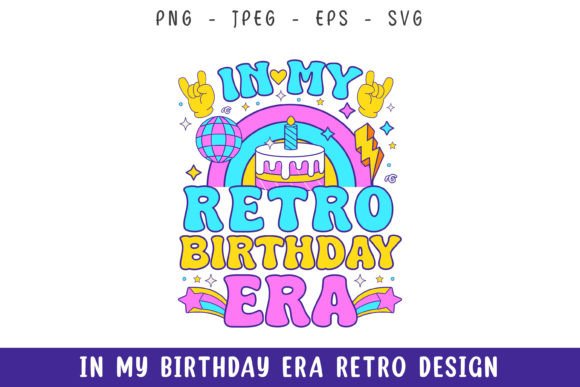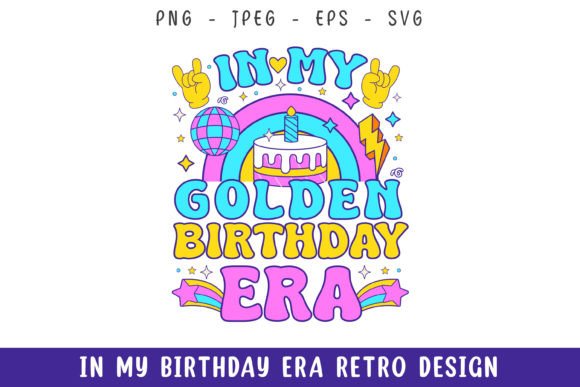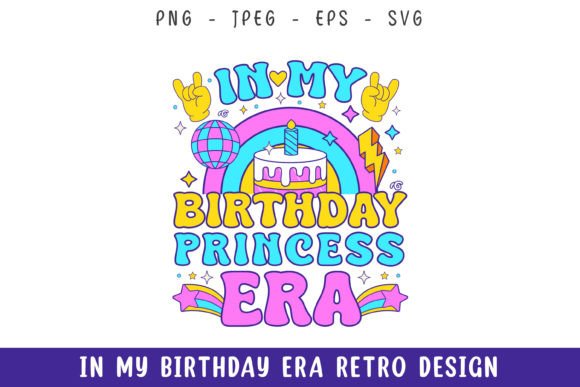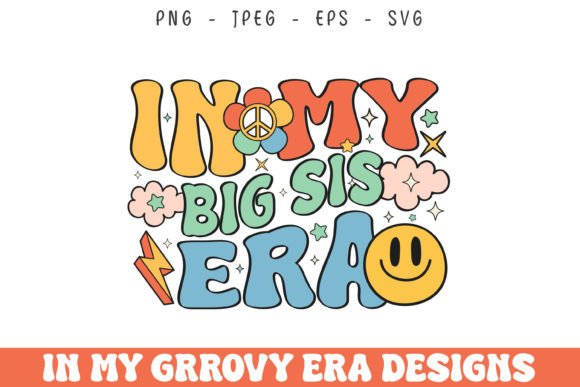
In My Birthday Era Groovy Retro Design Review
As a designer who spends half my life staring at stitch charts and the other half trying to sell finished goods, I have developed a fairly sharp instinct for what works on fabric versus what looks good only on a screen. When In My Birthday Era Groovy Retro Design landed in my inbox, I didn’t just see a cute birthday graphic; I saw a potential bestseller for craft fairs, Etsy shops, and personalized gift markets. The title alone suggests a specific aesthetic—nostalgic, fun, and slightly chaotic in that charming 1970s way—but does it translate when converted from vector pixels to thread? That is the question every embroiderer needs to answer before committing to production.
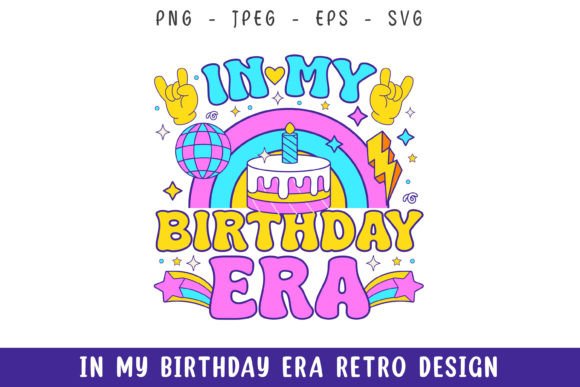
The first impression of this design is undeniably strong. It taps into the "groovy" trend that has been dominating handmade apparel for years, but it avoids feeling dated by keeping the layout clean enough for modern tastes. The phrase "In My Birthday Era" immediately signals celebration without being overly literal. For an embroidery project, this kind of textual playfulness works exceptionally well because it invites the wearer to identify with a specific mood or decade. Visually, the shape feels balanced. It isn’t cluttered with excessive decorative elements that might turn into a tangled mess during stitching. Instead, it relies on bold lettering and perhaps some supporting retro motifs that define the era without overwhelming the eye. This balance is crucial for anyone creating custom apparel where readability is key.
Real-World Application: From Screen to Stitch
I often think about how a design will behave once it leaves the digital realm and enters the hoop. Let’s look at a realistic scenario: preparing a batch of custom sweatshirts for a boutique holiday gift collection. You want something that feels personal but also trendy. In My Birthday Era Groovy Retro Design fits perfectly here. The retro vibe pairs beautifully with heavyweight cotton blends or fleece materials commonly used in sweatshirts. The design’s personality allows it to stand out as a statement piece, whether it is placed over the heart for a subtle touch or centered across the chest for maximum visibility.
Beyond sweatshirts, this design shows promise for tote bag designs and aprons. If you are an Etsy seller looking to expand your product line, this file can serve as a versatile base. Imagine a canvas tote bag featuring this design in bright, contrasting threads—it becomes an instant conversation starter. Similarly, for kitchen towels or tea towels, the groovy aesthetic adds a playful touch to home decor. However, the success of these applications depends heavily on execution. A machine embroidery design is only as good as the setup behind it. When testing this for a small shop product, I found that the curves in the text need to be smoothed out to prevent puckering, especially if you are using a dense fill stitch.
Another practical use case involves baby items. While the "40’s Era" mention in the description might suggest vintage styling, the current trend leans toward unisex, colorful, and fun themes. If adapted correctly, this could work for milestone blankets or nursery decor. The key is adjusting the color palette. The original file likely offers flexibility, allowing you to swap standard black thread for pastel pinks, blues, or yellows. This adaptability is what separates a generic clip art image from a professional embroidery file ready for commercial use.
Technical Considerations and Fabric Compatibility
Not all fabrics are created equal, and neither are all designs. When evaluating In My Birthday Era Groovy Retro Design, we must consider where it should be used carefully. Textured fabrics, such as bouclé wool or heavy denim, can obscure fine details. If the design includes tiny decorative accents or thin lines, they may disappear into the weave of the material. In such cases, it is better to stick to smooth fabrics like jersey knit, cotton poplin, or felt, which provide a stable surface for clean stitching.
Stretchy fabrics present another challenge. Garments like t-shirts and leggings move constantly, and if the stitch density is too high, the fabric can pucker or distort over time. For stretchy materials, you want to ensure that the design uses a combination of satin stitches for outlines and lighter fill stitches where possible. Additionally, dark fabrics require careful thread selection. The description notes that the design allows for easy color changes, which is a significant advantage. On a dark t-shirt, using white or metallic threads can create a striking contrast, but you must ensure the underlay stitches are sufficient to hide the dark fabric beneath the top thread.
Curved surfaces, such as caps and hats, also demand attention. Embroidering a flat design onto a curved brim or crown requires digitizing adjustments to prevent distortion. If you are planning to produce embroidered patches or cap logos using this design, test it on scrap pieces of the actual hat material first. Inspect the corners and edges closely to ensure that the satin stitch remains tight and does not gap open.
Design Notes for the Professional Crafter
To get the most out of In My Birthday Era Groovy Retro Design, follow these practical steps before starting your production run. First, always test the design on scrap fabric. This allows you to check thread color contrast and inspect small details that might be lost in translation. Second, review the stitch density. High-density areas can make a garment feel stiff and uncomfortable, so look for opportunities to reduce unnecessary fills or switch to lighter running stitch patterns where appropriate.
Confirm the hoop size required by the design. If the design is large, you may need to split it into multiple hoops, which increases production time and complexity. Also, consider using a proper stabilizer. For lightweight fabrics, a tear-away stabilizer might suffice, but for heavier items like hoodies, a cut-away stabilizer ensures longevity. Test the design in black and white mockups to evaluate its composition without the distraction of color. This helps you understand the structural integrity of the design itself.
Finally, verify licensing terms. As a digital embroidery file, the rights to use this design for commercial purposes vary. If you plan to sell finished products, such as custom apparel or personalized gifts, ensure you have the correct license. Many designers offer different tiers for personal use versus commercial resale. Ignoring this step can lead to legal issues down the road. By taking the time to prepare properly, you protect your brand consistency and maintain customer trust.
Final Verdict on Visual Appeal and Market Fit
From a visual standpoint, In My Birthday Era Groovy Retro Design succeeds in capturing a nostalgic yet contemporary mood. It feels friendly, approachable, and celebratory. For craft business owners, this translates to higher engagement. Customers respond well to designs that evoke emotion and personality. Whether used for wedding gifts, holiday presents, or everyday wear, the design has the versatility to fit multiple niches.
The ability to change colors easily makes it a valuable asset for design assets libraries. You can create variations for different seasons or demographics without needing to redraw the core structure. This efficiency is vital for Etsy sellers and small shop product creators who need to keep their listings fresh and diverse. When presented professionally, with clean mockups and clear photography, this design elevates the perceived value of the finished product. It signals that the maker cares about detail and quality.
In conclusion, In My Birthday Era Groovy Retro Design is more than just a pretty picture; it is a functional tool for creative entrepreneurs. It performs well in real-life scenarios, from tote bag design projects to sweatshirt embroidery, provided that technical precautions are taken. By understanding its strengths and limitations, you can leverage its groovy charm to create memorable handmade products that resonate with buyers. Just remember to check your stabilizers, test your threads, and respect the licensing agreements. With those basics in place, this design is ready to bring some retro flair to your next embroidery project.