In My Baby Girl Era Groovy Retro Design Review
When I pull a new digital asset into my design software, I am not just looking at pixels; I am visualizing thread tension, fabric stretch, and the final tactile experience of the customer. As a designer who frequently bridges the gap between digital graphics and physical embroidery, I approach every file with a mix of creative enthusiasm and technical skepticism. Today, I am evaluating In My Baby Girl Era Groovy Retro Design, a piece that promises a blend of nostalgia and modern flair. This review focuses on how this design translates from screen to stitch, specifically for craft business owners, Etsy sellers, and handmade product creators looking to add value to their inventory.
First Impressions: Mood and Visual Personality
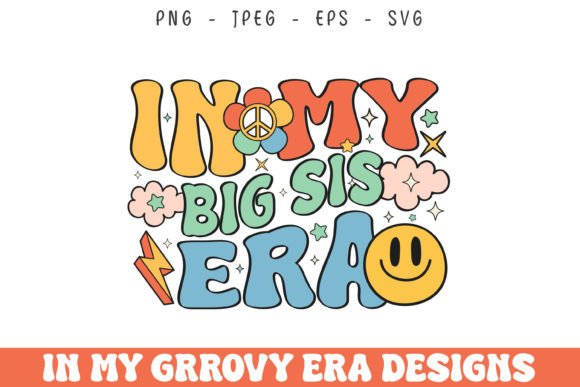
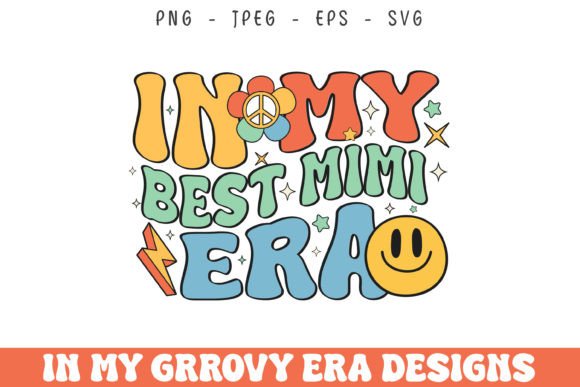
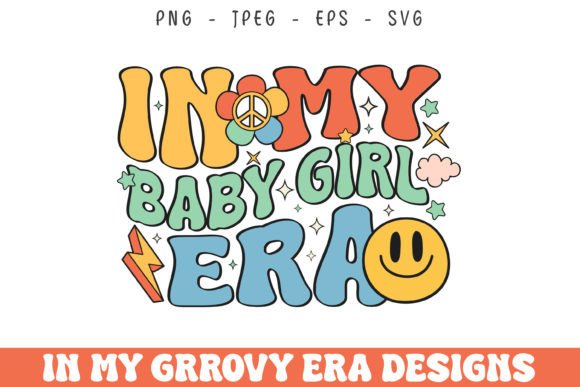
The moment you open In My Baby Girl Era Groovy Retro Design, the vibe is immediate. It taps into the "groovy" aesthetic that has seen a massive resurgence in the last few years, blending boho sensibilities with a playful, wavy typography style. The phrase itself carries an emotional weight—it speaks to motherhood, celebration, and a specific cultural moment that resonates deeply with millennial and Gen Z parents. Visually, the design feels relaxed yet structured enough to hold its shape under the needle.
From a graphic design perspective, the layout works because it balances negative space with bold lettering. For an embroiderer, this is crucial. A design that is too cluttered can look muddy once stitched, but one that is too sparse might lack impact. This design sits in a sweet spot. The wavy elements suggest movement, which, when executed correctly in satin or fill stitches, creates a dynamic finished product that feels alive rather than static. It is the kind of embroidery project that invites customization, allowing the maker to play with color palettes without breaking the composition.
Real-World Application: Where Does This Shine?
I often think about where a design will live before I ever load it into the hoop. In My Baby Girl Era Groovy Retro Design is versatile, but it excels in specific categories of custom apparel and personalized gift items. Here is how I see it performing in real-life scenarios:
- Boutique Motherhood Merchandise: This is the natural home for this design. Imagine a high-quality cotton sweatshirt or a soft baby onesie. The retro theme pairs perfectly with neutral tones like sage green, mustard yellow, or dusty rose. For an Etsy seller, this is a low-risk, high-reward item because it appeals to a broad demographic looking for meaningful gifts.
- Tote Bags and Market Accessories: A canvas tote bag is a staple in any craft business. Embroidering this design onto a sturdy tote adds a premium feel compared to screen printing. The durability of embroidery ensures that the message remains visible even after hundreds of washes, increasing the perceived value of the handmade product.
- Nursery Decor and Keepsakes: Beyond clothing, this design translates beautifully to pillow covers or quilt blocks. The groovy font is legible and charming, making it suitable for a nursery accent piece. It also works well as a commemorative item for baby showers, serving as a holiday embroidery or milestone gift.
- Commercial Embroidery Projects: For small shop owners creating branded merchandise, this design offers a trendy aesthetic that aligns with current social media trends. It is visually engaging in printable mockups, which are essential for driving clicks on digital storefronts.
Technical Considerations and Stitch Performance
Visual appeal is only half the battle; execution is the other. When analyzing In My Baby Girl Era Groovy Retro Design, we must consider how different stitch types interact with the curves and text.
The wavy lines likely rely on a combination of satin stitch for clean edges and fill stitch for broader areas. If the stitch density is too high, the fabric may pucker, especially on lightweight knits. Conversely, if it is too low, the underlying fabric might show through, ruining the crispness of the retro letters. I recommend testing the design on scrap fabric first to evaluate how the threads lay against each other. Pay close attention to the corners of the letters; sharp angles in retro fonts can sometimes break thread if not optimized for machine embroidery.
Color contrast is another critical factor. The description notes that this design allows for easy color changes. This is a significant advantage. On a dark t-shirt, using light, pastel threads will make the design pop, whereas on a white tee, darker or metallic threads can provide a sophisticated contrast. However, be cautious with textured fabrics. While a chunky knit sweater looks cozy, it can distort fine details. In such cases, this design should be placed on a reinforced area or used with a proper stabilizer to prevent shifting.
Potential Pitfalls and Careful Placement
Not every surface is created equal. There are specific situations where In My Baby Girl Era Groovy Retro Design requires extra caution:
- Small Hoop Sizes: If you attempt to digitize or use this design in a very small hoop (under 4x4 inches), the detail may become lost. The wavy text needs breathing room to be readable. Stick to standard sizes to maintain clarity.
- Stretchy Fabrics: Materials like spandex blends or thin jersey require a strong tear-away or cut-away stabilizer. Without it, the tension of the embroidery thread can cause the garment to pucker permanently after washing.
- Curved Surfaces: Attempting to embroider this flat design directly onto a curved cap brim without proper digitizing adjustments for curvature can result in distorted letters. Always test on a similar curve first.
- Dense Stitch Areas: If the design includes large solid blocks of color, ensure your machine can handle the thickness. Overloading the needle can lead to breakage or uneven tension.
Impact on Brand and Customer Trust
As a reviewer, I believe that the quality of the design directly impacts customer trust. A well-executed finished product signals professionalism. When a buyer receives a small shop product where the stitching is even, the colors match the vision, and the placement is centered, they are more likely to leave positive reviews and return for future purchases. In My Baby Girl Era Groovy Retro Design supports this by offering a trendy, recognizable theme that customers already associate with joy and nostalgia. It reduces the cognitive load for the buyer—they instantly understand the sentiment.
Furthermore, the versatility of this design allows for consistent brand consistency. You can use variations of this design across different products—matching a tote bag with a coffee mug sleeve or a kitchen towel. This cohesive look elevates a hobbyist operation to a recognizable brand identity.
Practical Designer Notes for Implementation
To get the best results from this digital embroidery file, follow these practical steps:
- Test Thread Contrast: Before committing to a full run, stitch out a small section to check how the thread colors interact with your chosen fabric. What looks good on a monitor may look dull in person.
- Review Black and White Mockups: Convert your design to black and white to check the balance of negative space. If the design looks unbalanced here, it will likely look unbalanced in color.
- Confirm Licensing: If you plan to sell finished items, double-check the license terms associated with the file. Ensure you have commercial rights for commercial embroidery projects.
- Use Proper Stabilizer: Never skimp on stabilizer. It is the backbone of a successful embroidery project. Match the stabilizer type to the fabric weight and structure.
- Inspect Small Details: Zoom in on the digital file before stitching. Look for any overlapping paths or tiny isolated stitches that might cause issues during production.
In conclusion, In My Baby Girl Era Groovy Retro Design is a strong candidate for anyone looking to expand their catalog of graphics and crafts offerings. It combines emotional resonance with a visually pleasing retro aesthetic that translates well to various textiles. By paying attention to fabric choice, stitch density, and proper stabilization, designers and sellers can create high-quality handmade products that stand out in a crowded market. It is a reliable, stylish addition to any embroidery project toolkit.