First My Mother Forever My Friend Retro Review
As a designer who spends more time analyzing stitch density and thread contrast than scrolling through social media feeds, I approach every new digital asset with a mix of skepticism and curiosity. When I first pulled up First My Mother Forever My Friend Retro, I wasn’t just looking at a graphic; I was evaluating its potential as a viable machine embroidery design for real-world applications. The phrase itself carries significant emotional weight, which is exactly what makes it a strong candidate for the personalized gift market, but does the visual execution hold up under the needle?
This review is not about hype. It is about practical judgment. If you are an Etsy seller, a small shop owner, or a crafter looking to expand your craft business offerings, you need to know if this embroidery file will translate from screen to fabric without losing its soul. Here is my honest breakdown of how this design performs in actual production scenarios.
The First Impression: Mood and Visual Personality
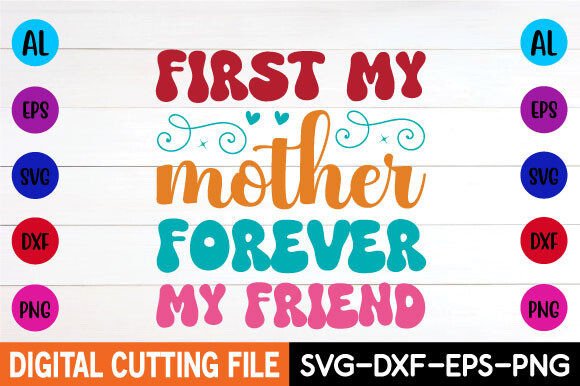
The immediate takeaway from First My Mother Forever My Friend Retro is its nostalgic warmth. The "retro" aspect suggests a specific aesthetic—likely involving vintage typography, soft curves, or perhaps a distressed texture that mimics aged print. In the world of graphics and crafts, nostalgia sells, but only if it doesn’t look cheap when stitched.
Visually, the layout feels balanced. The text hierarchy appears clear, ensuring that the sentiment reads instantly. For an embroidery project, clarity is king. If a customer has to squint to read the message on a tote bag or a sweatshirt, the design has failed. From a designer’s perspective, the shape of the lettering seems robust enough to handle standard satin stitch techniques, which is crucial for legibility. The mood it creates is one of comfort and enduring connection, making it perfect for personalized gifts like mother-daughter sets or heartfelt holiday presents.
Real-World Application: Where This Design Shines
I have mentally mapped out several use cases for this digital embroidery file, and the versatility is impressive. Let’s look at how it would perform in specific handmade product categories.
- Custom Apparel: Imagine this on a high-quality cotton sweatshirt. The retro vibe pairs beautifully with heather grey or muted pastel fabrics. It works particularly well as a chest pocket placement or a centered back print for a cozy, boutique feel. As a sweatshirt embroidery piece, it adds a layer of sophistication that screen printing sometimes lacks.
- Tote Bags and Canvas Goods: A tote bag design needs to be bold. If the line weights in this file are sufficient, it will pop against natural canvas or black denim. It serves as an excellent commercial embroidery item for craft fairs, appealing to shoppers looking for durable, meaningful accessories.
- Baby and Nursery Items: Soft baby clothes benefit greatly from gentle, sentimental messages. This design could easily transition into baby embroidery for onesies or muslin blankets. The retro style often complements the "shabby chic" or vintage nursery trends popular among modern parents.
- Kitchen and Home Decor: Don’t overlook tea towels or aprons. A kitchen towel featuring this phrase adds a personal touch to a hostess gift. It fits the holiday embroidery niche perfectly, offering something more permanent and valuable than a generic card.
In each of these scenarios, the design enhances the finished product value. Customers are willing to pay a premium for items that feel curated and emotionally resonant. This file provides that foundation.
Technical Considerations and Potential Pitfalls
Not every design is created equal, and blind trust in a preview image is a recipe for disaster. Here is where we get practical about the mechanics of stitching this out.
Hoop Size and Detail Level: Before committing to mass production, you must check the hoop size. If the design includes intricate decorative accents or tiny lettering, it may require a larger hoop to maintain stability. Small details can become muddy if the stitch density is too high for the available space. Always test the embroidery project on scrap fabric to ensure that corners remain sharp and lines do not pucker.
Fabric Texture and Stability: The choice of fabric texture plays a massive role in the final look. On smooth cotton, the satin stitch edges will be crisp. However, on textured fabrics like boucle or heavy denim, you might need to adjust your tension or add extra layers of stabilizer. Stretchy fabrics, such as jersey knits used in some t-shirts, require careful hooping to prevent distortion. If you are working with thin fabric, ensure you have adequate backing support so the design doesn’t pull the material out of shape.
Color Contrast: Thread selection is half the battle. On dark fabrics, light threads can sometimes look washed out if the stitch coverage isn’t dense enough. Conversely, dark threads on light backgrounds can lose definition if the font weight is too thin. I recommend testing this embroidery file in both light and dark thread options to see how the contrast holds up. Using a black and white mockup during the design phase can also help verify that the shapes remain distinct regardless of color.
Where to Use Caution
While this design is versatile, there are limits. Avoid placing it on highly curved surfaces like fitted caps unless you have advanced digitizing skills to manage the curvature. Tiny lettering should be scrutinized closely; if the smallest characters are less than 0.2 inches, they may disappear after washing. Additionally, if the design relies heavily on fine lines, it may not withstand frequent industrial laundering, which is a consideration for commercial goods sold to businesses.
Strategic Advice for Sellers and Makers
If you are planning to sell products made with First My Mother Forever My Friend Retro, here is my professional advice to maximize success and minimize returns.
- Test Everything: Never skip the scrap fabric test. Check for thread breaks, puckering, and alignment issues. This step saves money and protects your reputation.
- Verify Licensing: Before listing any small shop product on Etsy or your own website, confirm the licensing terms. Ensure you have the right to sell finished items made from this digital product. Ambiguity here can lead to legal headaches down the road.
- Create Compelling Mockups: Use printable mockup templates to showcase the design on various items. Show it on a tote bag, a hat, and a pillow cover. Visual variety helps buyers imagine the product in their own lives, boosting buyer engagement.
- Focus on Brand Consistency: If this is part of a larger collection, ensure the styling matches your brand’s voice. Whether you are targeting hobbyists or creative entrepreneurs, consistency builds trust.
- Inspect Small Details: Zoom in on the design file. Look for any jagged edges or overlapping paths that might cause stitching errors. A clean file results in a professional finished product.
Final Verdict
First My Mother Forever My Friend Retro is a solid addition to any designer’s library. It captures a timeless sentiment with a visual style that appeals to current market trends. Its strength lies in its adaptability—it can serve as a centerpiece for custom apparel, a subtle accent on embroidered patches, or a touching detail on holiday gifts.
However, success depends on your execution. By paying attention to thread colors, choosing the right stabilizer, and respecting the limitations of stitch density, you can transform this simple graphics file into a high-value handmade product. For those in the crafts industry looking to add depth and emotion to their inventory, this design offers a reliable foundation for creating memorable, lasting items.
Remember, the best designs are not just seen; they are felt. This file has the potential to evoke that feeling, provided you treat it with the technical care it deserves. Test it, refine it, and watch your customers appreciate the thoughtfulness embedded in every stitch.